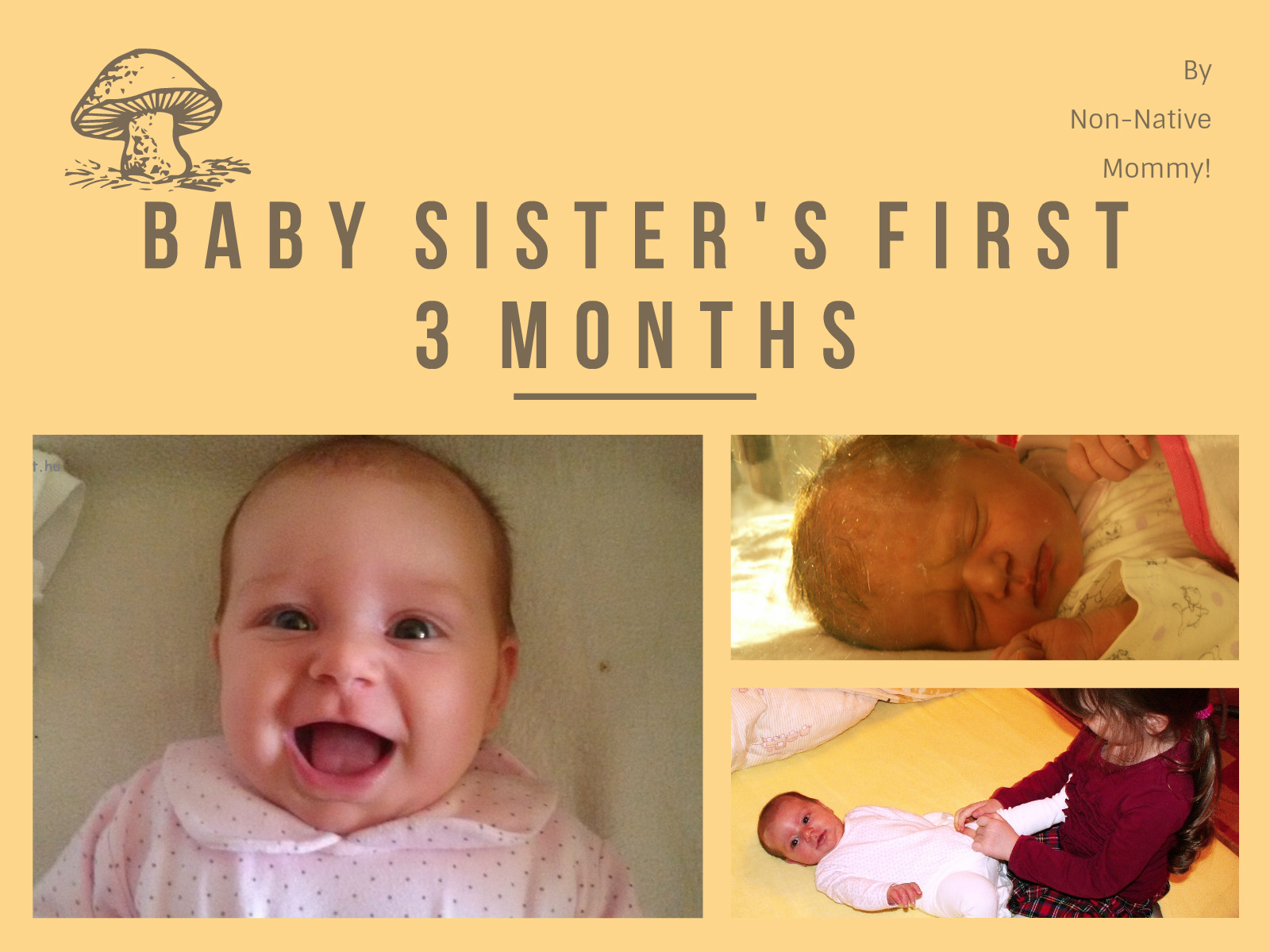
Time flies with 2 kids. L. is already 3 months old and loads have been going on. In this post I’ll try to focus on her development and what I do with her in English though it’ll be hard.
First of all, some parametres:
She is 57 cms “tall”, 5.23 kgs. Her eyes are still blue. Her hair is light brown (showing tinges of ginger) and getting longer in the back and started to grow in the front. She only sleeps on Mommy or Daddy, or in the sling. She can’t push herself up while on her tummy but can lift and turn her head nicely. She’s got her first 2 shots at the age of 2 months. She gurgles and babbles a lot. She’s smiley if her tummy is full, on the changing table or when she can look around. Though she’s got a stomach ache quite often mostly in the evenings then she cries desperately. She’s breastfed and I can see white lines on her lower gum so the crying might be caused by the staring of her teething.
English time:
The routine is the same as it was with E. I just started it earlier (at her birth) with L. Whenever we are just the two of us I speak English to her. I’ve already introduced the little song we always sing with E. before changing languages (showing the Makaton signs to L. as well):
Hello, hello how are you? Hello, hello, it’s good to see you. I say hello, I’m happy that you came I say hello, please tell me, please tell me, please tell me your name Mommy (pointing at me) L. (pointing at her)
(This song is -or rather used to be- the theme song of a BBC series Something Special. On the link you can listen to the new version of it. But you can use any song of your choice if you want to signal the beginning or the end of the language usage) So what we do in English:
1. Lullabies
It seems I sing continuously. Whenever I try to rock L. to sleep I sing the following lullabies:
(I march with her feet) Oh, the grand old Duke of York, He had ten thousand men, He marched them up to the top of (Lift her feet up) the hill and he marched them down again. (Put her feet down)
And when they were up they were up. (Lift her feet up) And when they were down they were down. (Put her feet down) And when they were only half way up, (Wiggle her legs) They were neither up nor down. (When I sing UP I lift her feet up, and when I sing down I put her feet down)
I go through her body parts with this song from the BBC series Something Special- Baby episode (The song starts at 4.03 mins in the video but it’s worth watching the whole episode)
Two little eyes that open and close
Right in the middle a little nose
Two little ears on either side
one little mouth that opens wide
That’s baby (2x)
Two little legs that kick and wiggle
Two little feet that like a tickle
Two little arms that stretch up high
Two little hand that wave goodbye
That’s baby (2x)
The other thing she likes is tickling under her chin (or rather double chin *grin*). I chant these two rhymes:
Round and round the garden (stroking her tummy in a circle)
Like a Teddy Bear (showing the teddy bear sign) One step, two steps (walking my fingers on her tummy)
Tickle you under there (tickle her under the chin)
Another variation can be you do the circling in the palm, the walking movement up the arm and tickle the armpit in the end
Pat-a-cake, pat-a-cake baker’s man (patting the tummy) Bake me a cake as fast as you can (patting faster)
Pat it and prick it and mark it with B (patting/rolling movements on tummy, forming a B with fingers)
Put it in the oven for baby and me. (2 palms up as if putting a tray in the oven, when saying BABY I tickle her tummy)
1. This little piggy went to market This little piggy went to market This little piggy stayed at home This little piggy had roast beef This little piggy had none And this llittle piggy cried wee wee wee wee wee all the way home
Two little dickie birds sitting on a wall One named Peter the other named Paul Fly away Peter, fly away Paul Come back Peter, come back Paul.
Here is a video about what to do with your fingers:
3. Bath-time
As for bath-time I have a great helper apart from Daddy and that is L.’s big sister, E. She helps taking off L.’s clothes,
prepares what we can put on her afterwards, checks and throws the nappy into the bin, helps with the splashing too 🙂
Great practice for E. and L. hears not only me but her big sister talk in English. Sometimes we play the changing table games together again before bath-time.
One day E. sang a song for her little sister while I was busy with something and Daddy was preparing E.’s bath (that’s the noise in the background)
—–Oh, no! I can’t find the video anywhere 😦 As soon as I find it I’ll put it on——–
They’re just too cute.
—– 23/07/2016 I found the video 😀 ——-
4. Books
Baby books, of course. Black and white board books, cloth books or touch and feely books.
Sometimes she just looks at the books while in the playpen/on the play mat and at other times I describe what she sees or tells her a story around the characters on the pages. I’m working on a short list of useful and fun baby books you can read about in the next post.
5. Baby’s Best Start
When L. has some tummy time or just looking around in her playpen I put on Baby’s Best Start Helen Doron CD about once a day. I’m not showing to her anything (no pictures, no soft toys, nothing) she just getting familiar with the music. I’m planning to start the course with L. soon, maybe September. (And I think we should restart with E. as well.)
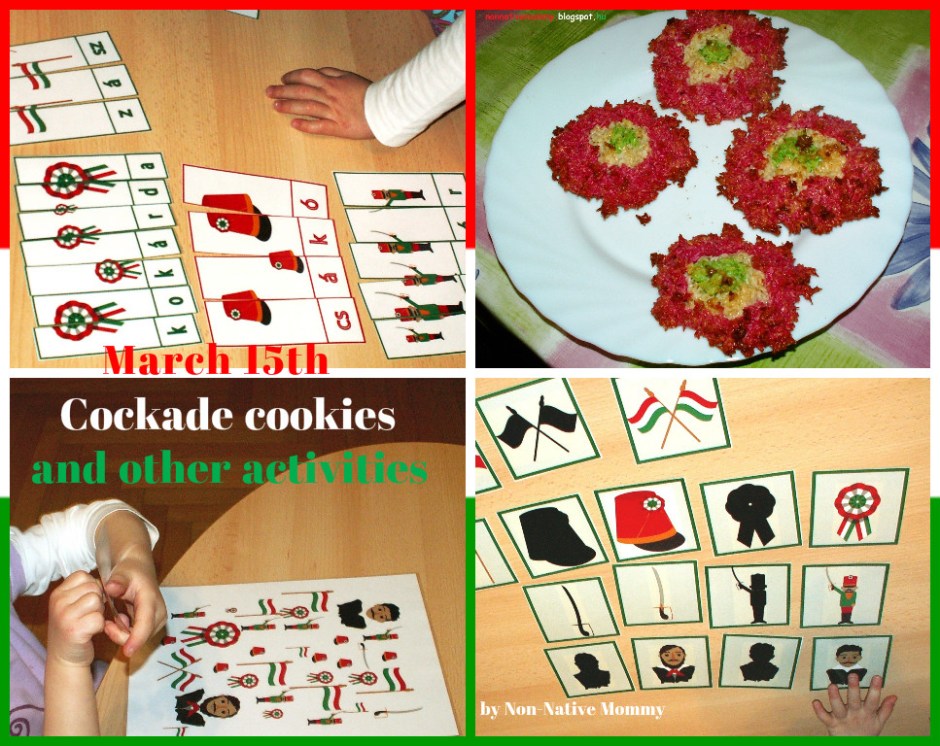
Perhaps this post should be written in Hungarian as March 15 is one of the most prominent national holidays in Hungary. And it means more to the Hungarians than to anybody else.
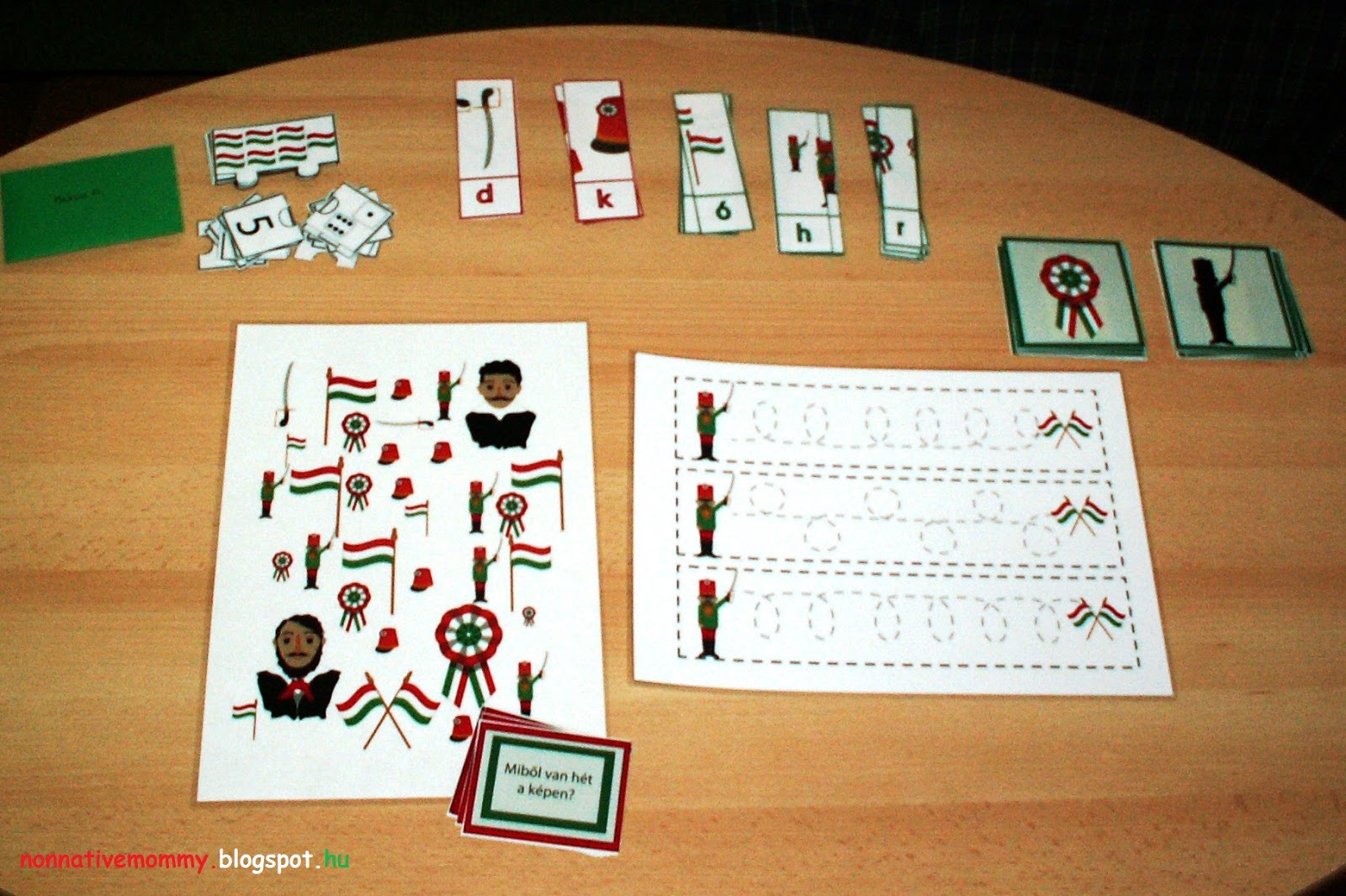
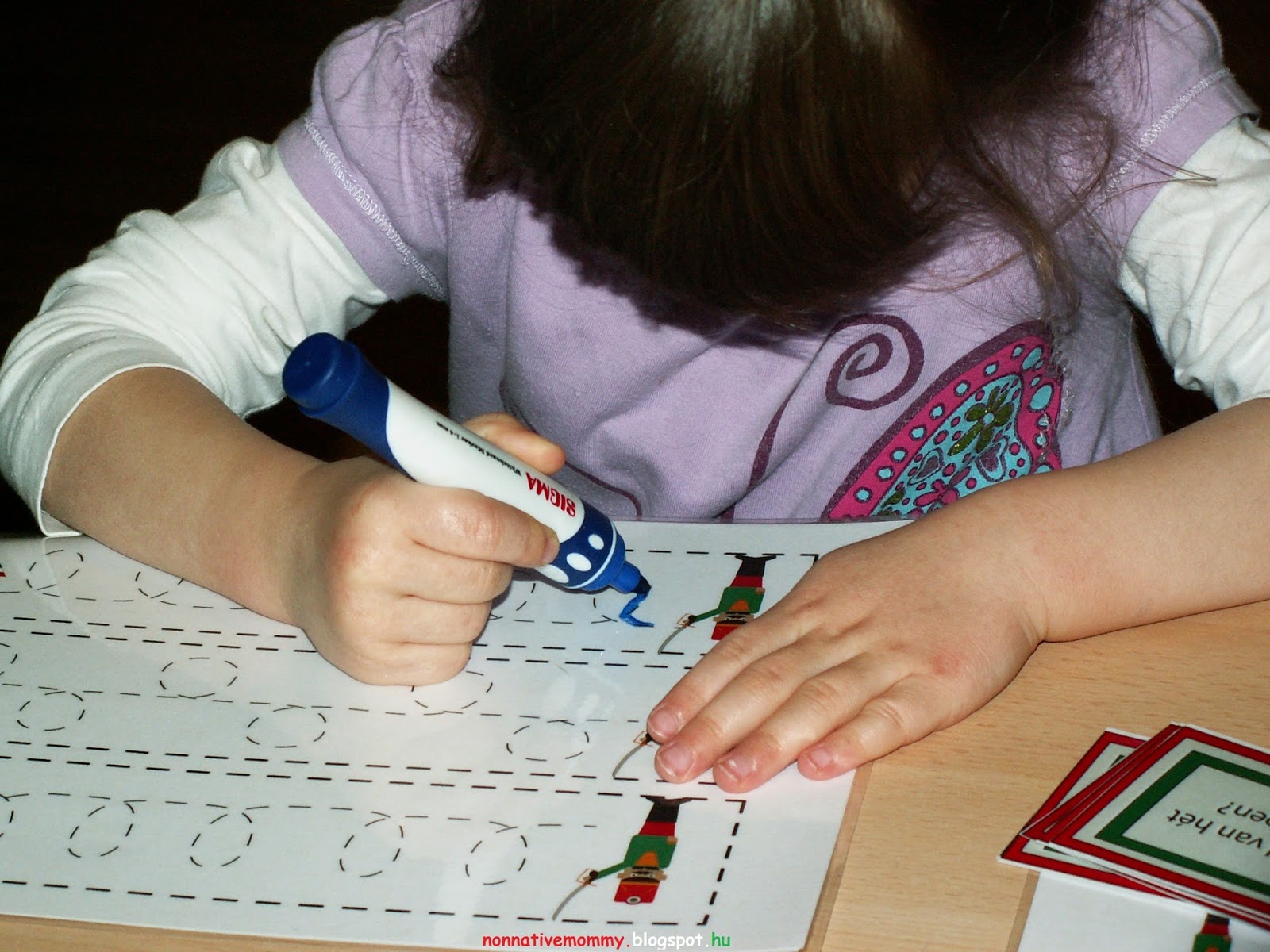
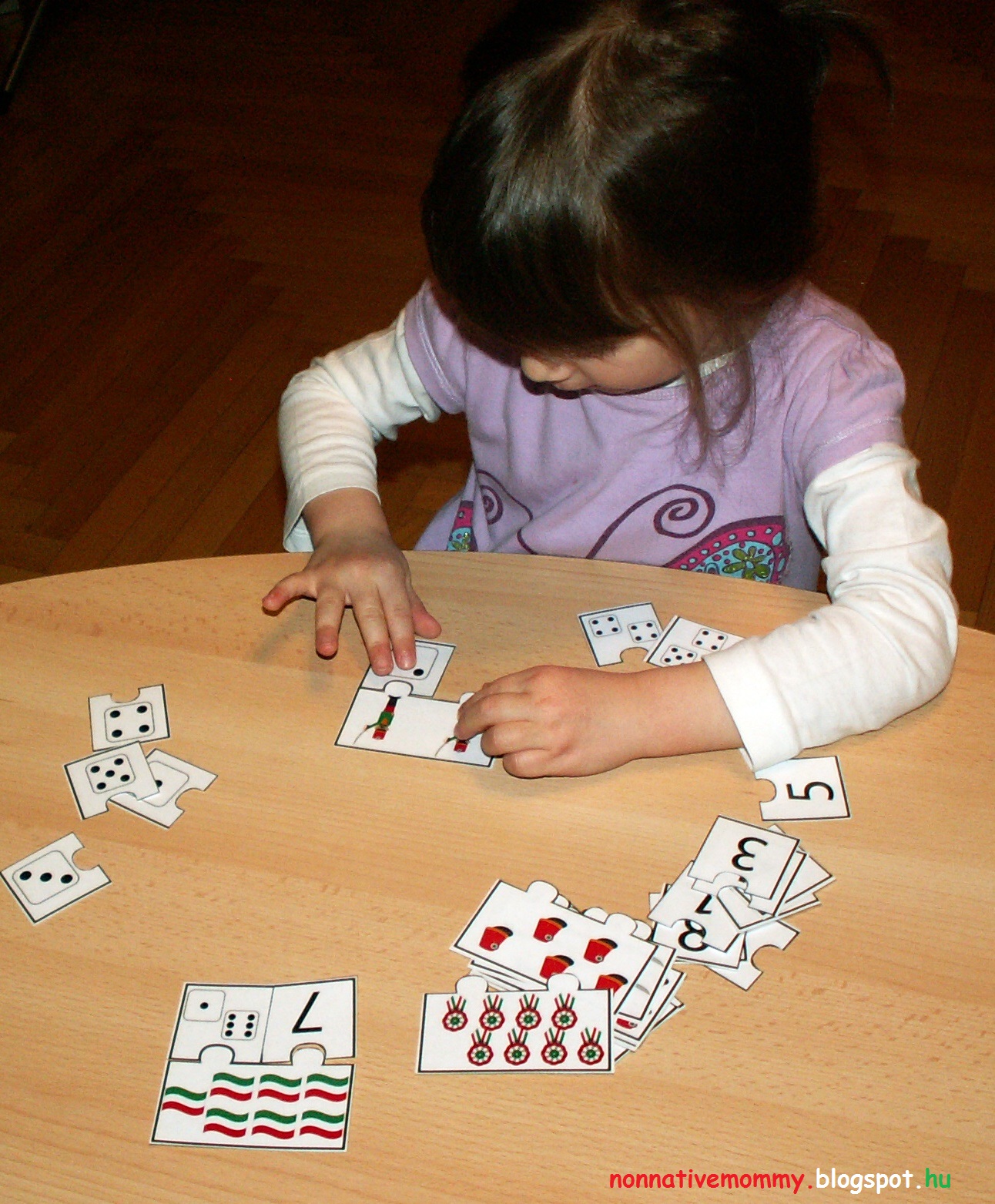
I had very little time to prepare for our national holiday so I took the easy way and downloaded/printed/laminated an absolutely fantastic collection of activities from gyereketeto.hu
Here are the activities I prepared:
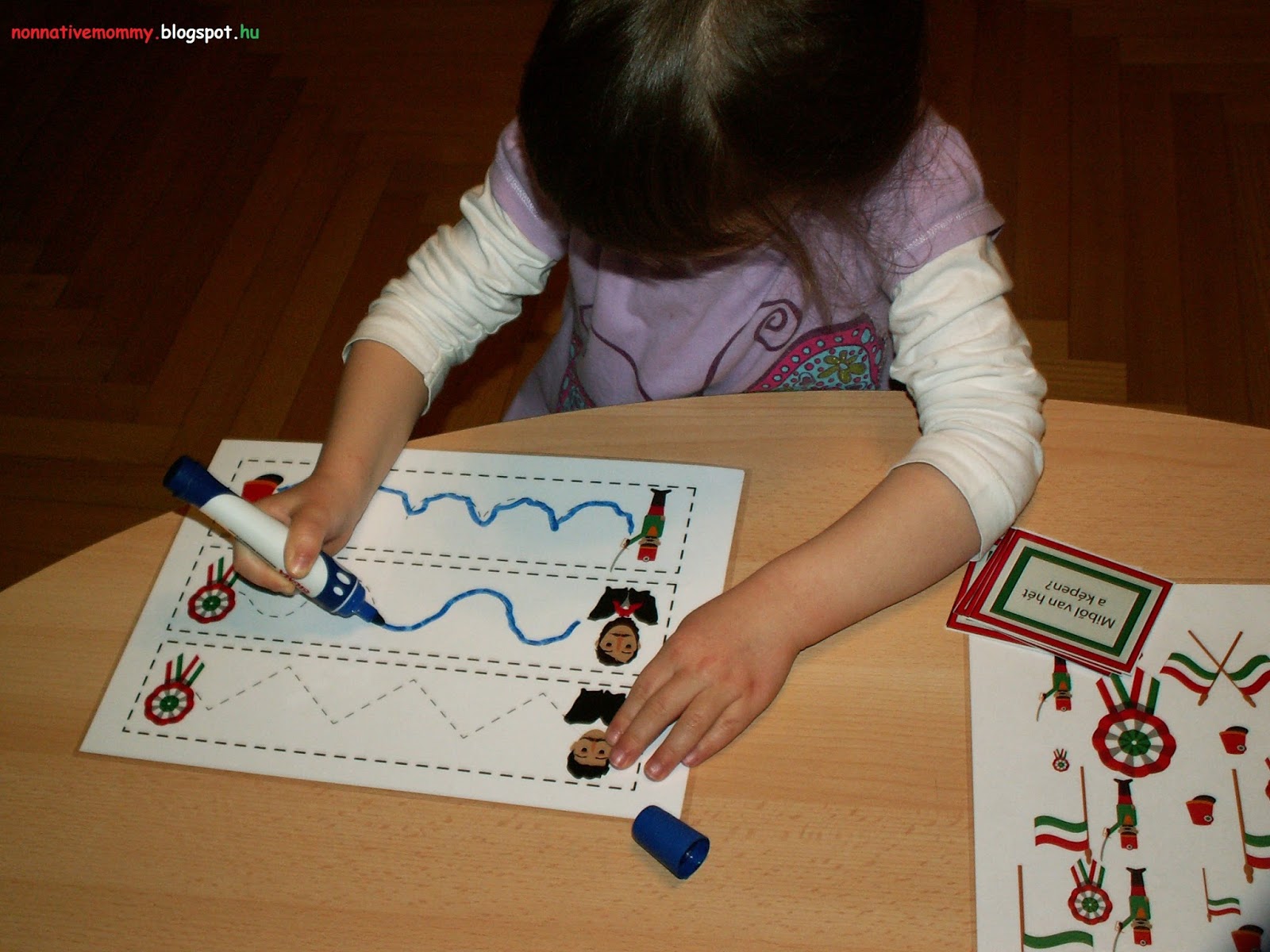
E. started with the pre-writing practice:
Then she read (!!!) the questions herself concerning the sheet in front of her (like Which is the biggest cockade? or How many flags turn left?)
Clearly you can see she was enjoying it
A little bit of maths – counting and matching numbers and dice:
1 tube (150gr) sweetened condensed milk here you can read about the difference between condensed and evaporated milk– something that I myself have just learnt)
80-100 gr grated coconut
food colouring (in our case red and green)
(In the original recipe the proportions are double)
How to prepare it: We mix the condensed milk and the coconut so we get a playdoh-like texture. (Well, we did not unfortunately. We need to make it again to experiment with the proportions)
We’ve learnt a new expression: evaporated milk
Halve the mixture and add red food colouring to one part.
Take the one third of the remaining white mixture and add the green food colouring.
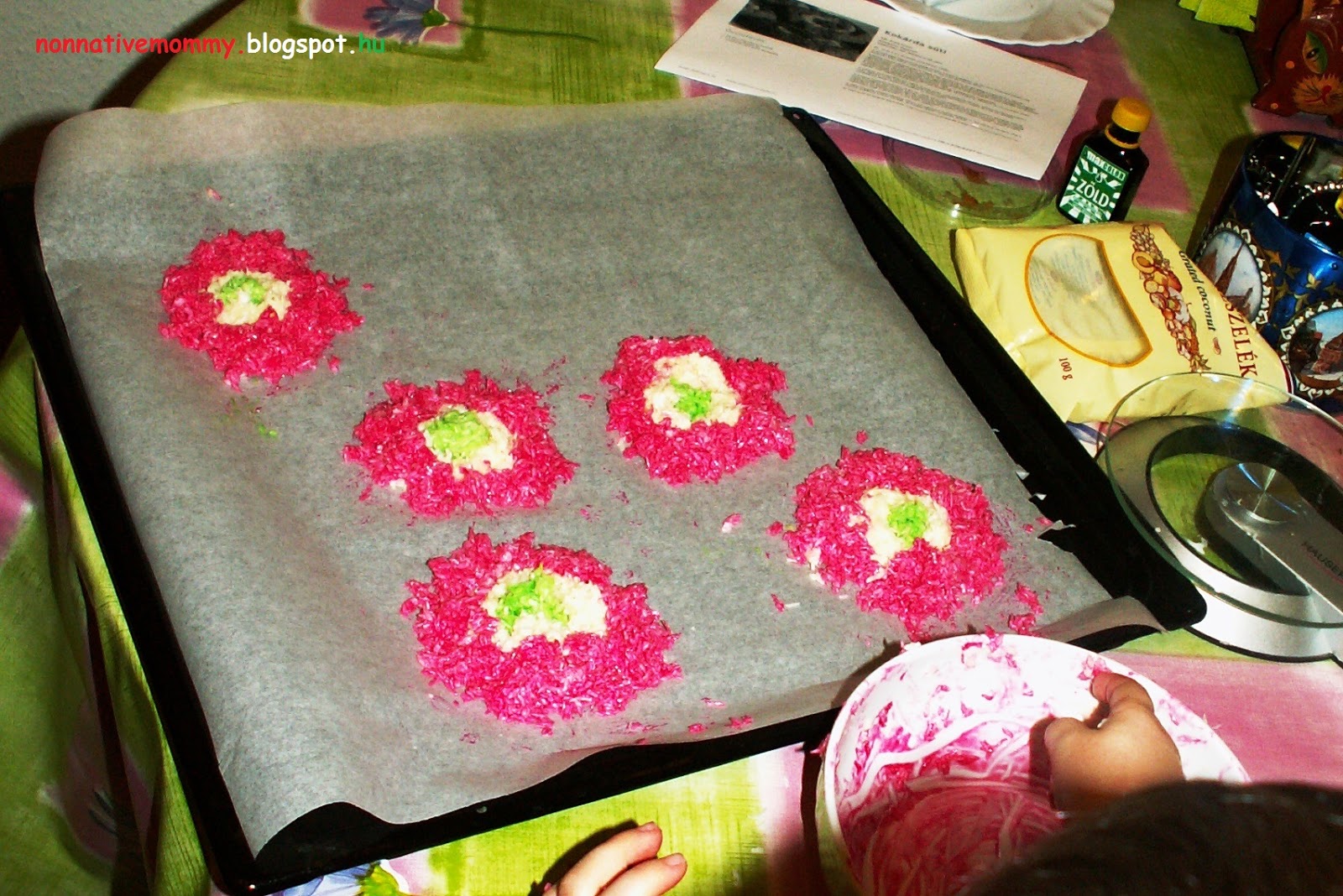
Make green balls and place them on baking paper (on a tray).
Yes, yes… that is Baby Sister on me in a sling
Around the green ball make a white “sausage” then around it a red one. They should touch each other. Our mixture didn’t turn out so well. I couldn’t make “sausages” so I just placed the stuff in circles. E. was very helpful… with cleaning (i.e. licking).
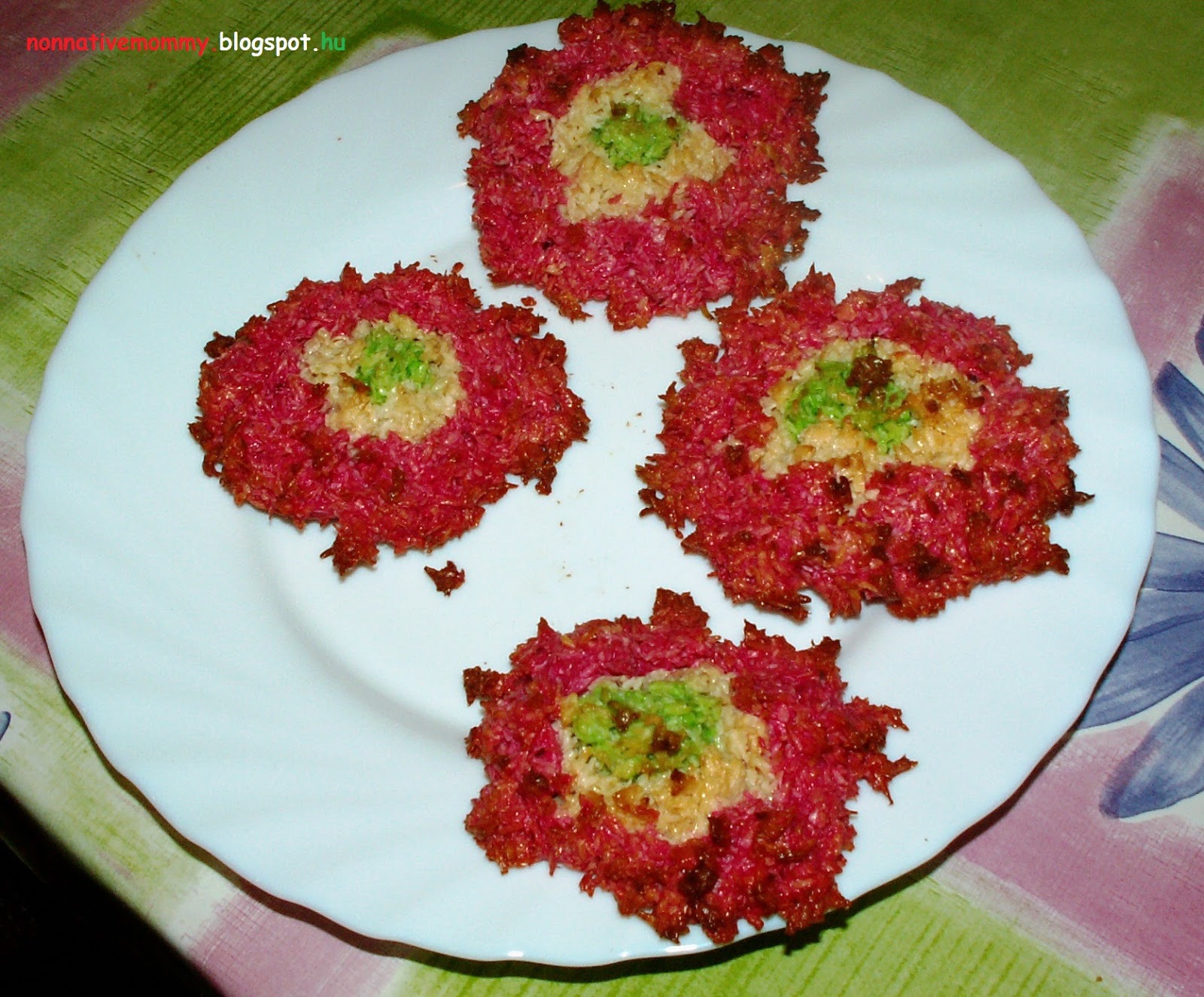
Pre-heat the oven at 150 Celsius degrees and dry the cookies out within 15-20 minutes. (We had a problem with this because after 10 minutes they got a little brown. So I turned the oven down to 100 degrees and let them stay in for another 5 minutes)
Before baking
A little over-baked still tasted nice
They’re tasty and crunchy; for me a little too sweet so I don’t mind we have fewer cookies than in the original recipe.
Of course, we spent our time in Hungarian and E. learnt quite a few new words, some international ones like huszár and csákó 🙂
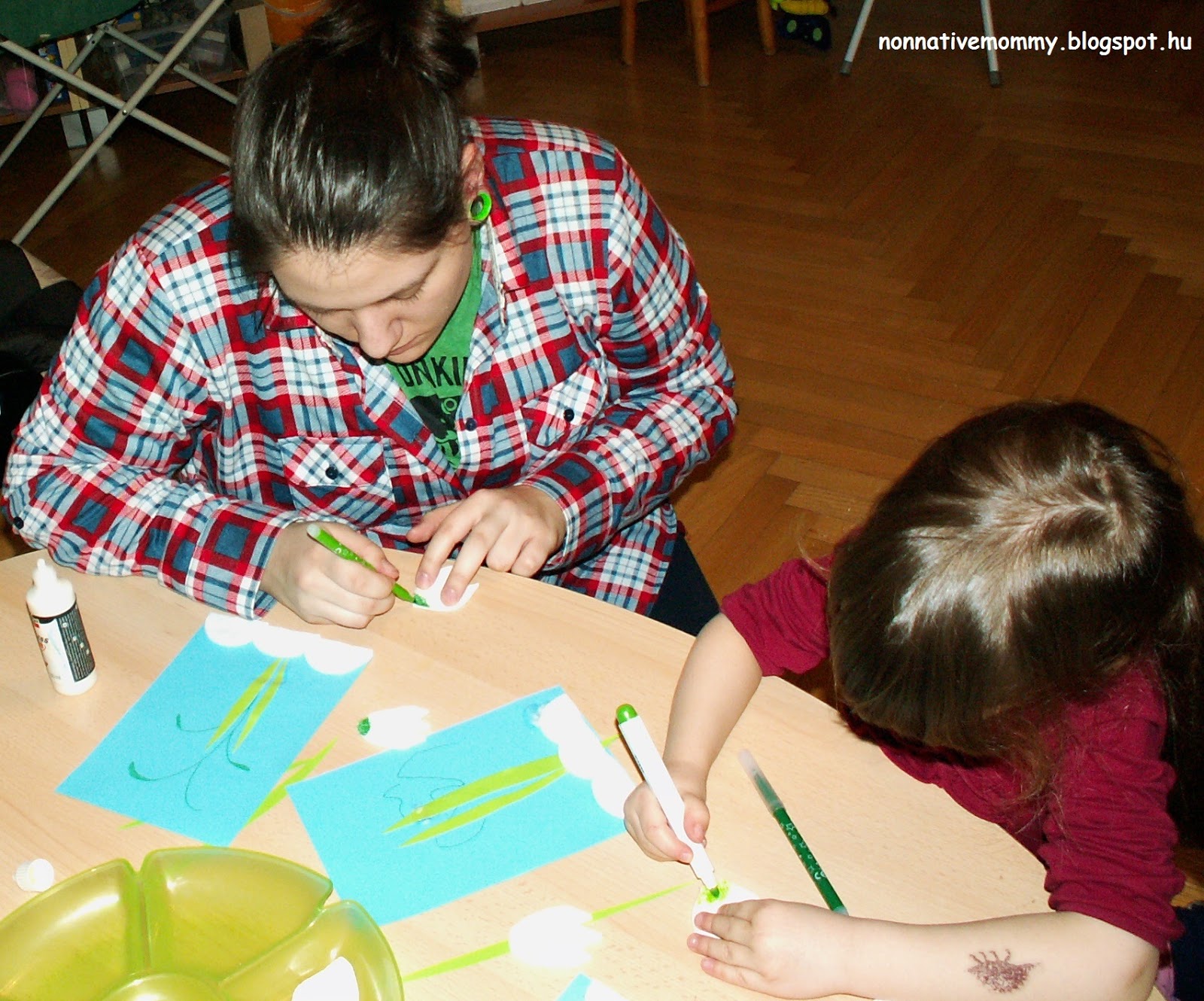
Spring has arrived and brought us a new nanny, L. from California. Unfortunately, how long she’ll stay is uncertain, but even a few months will do. Here is a fun craft activity they did together.
While E. was in the nursery I prepared the following:
The quality of the pictures are so poor… sorry.
15-16 cotton pads cut-outs
blue construction paper
green construction paper (the leaf cut-outs)
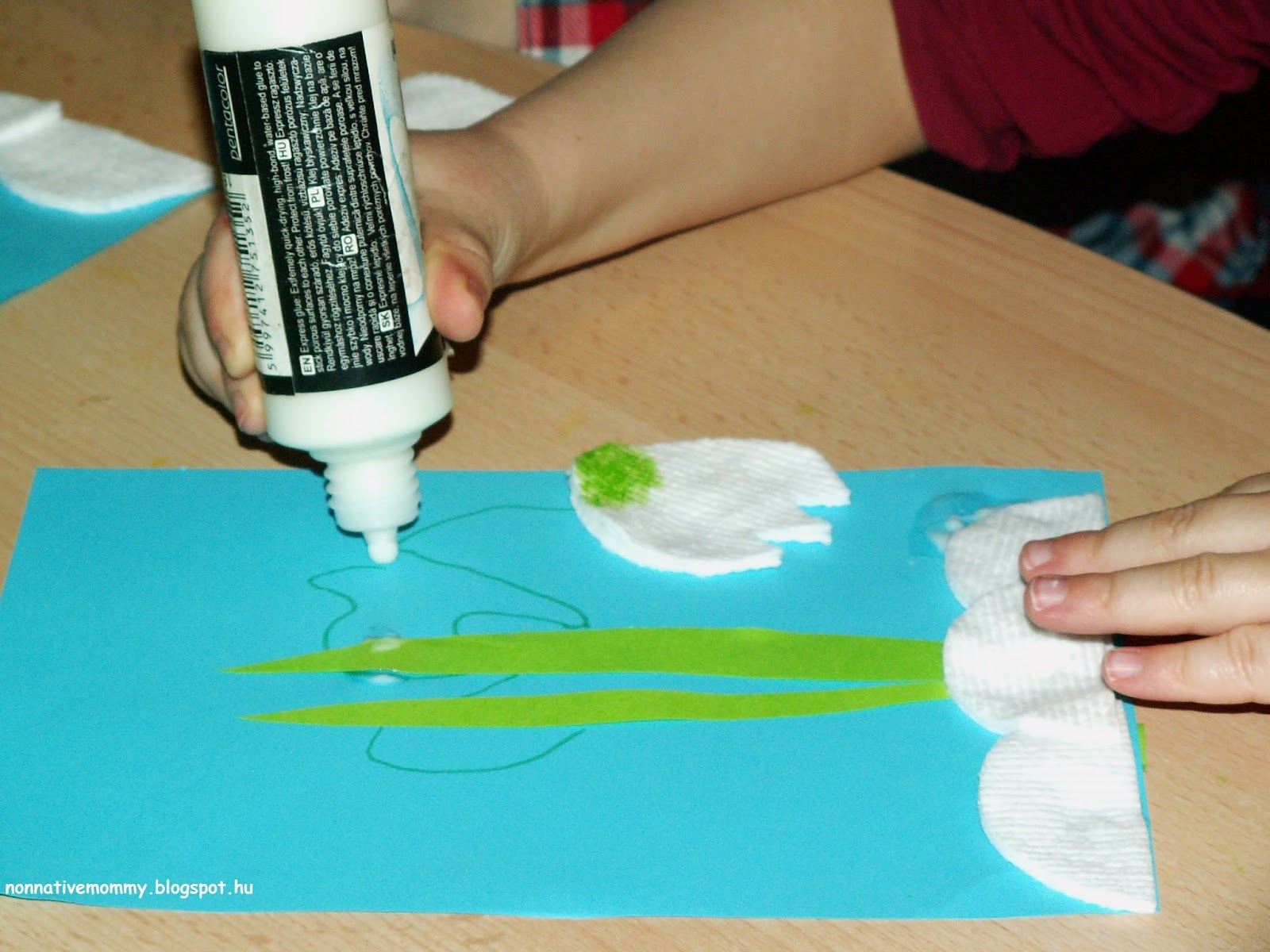
glue
green markers
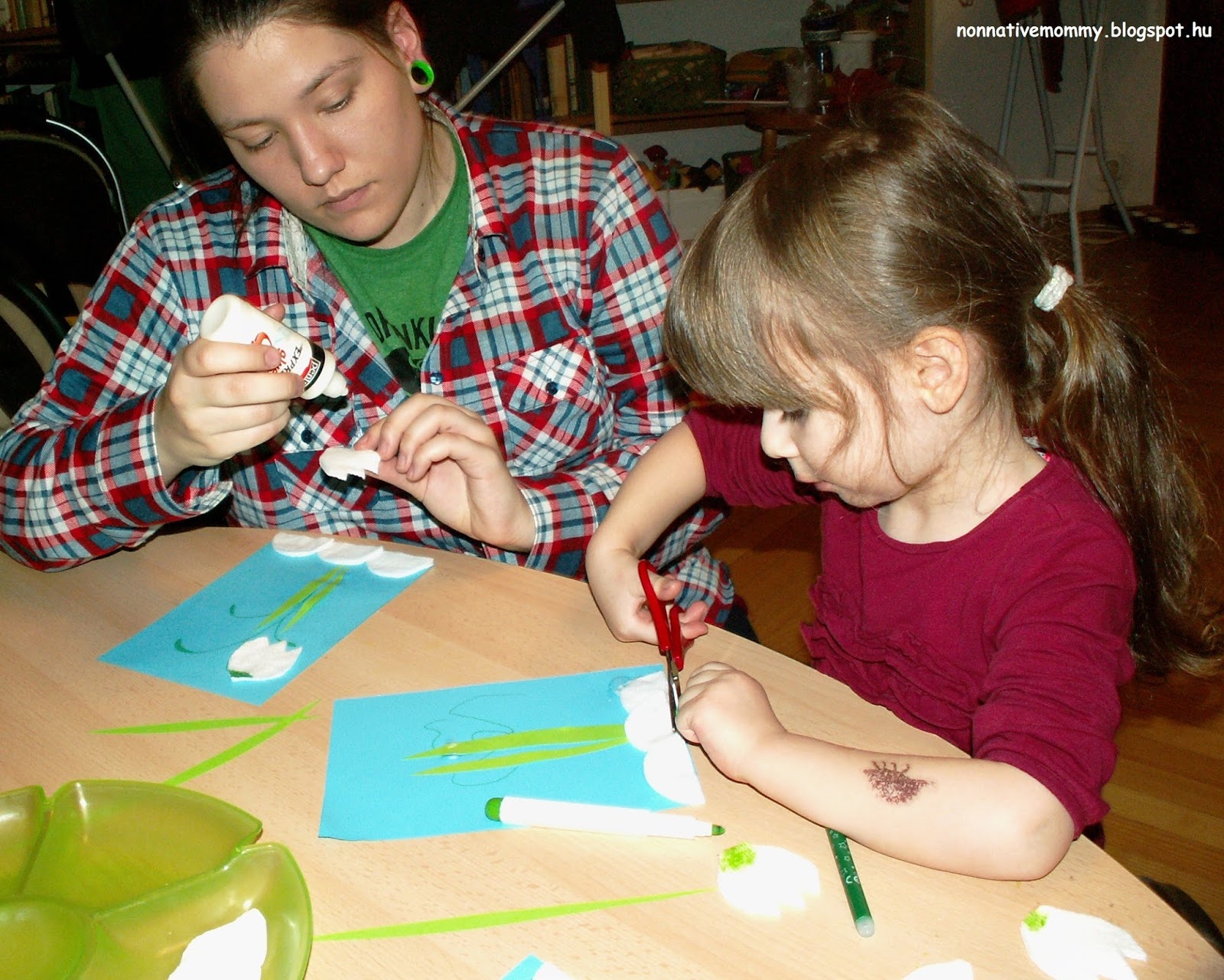
L, our new nanny came at 5 and they immediately sat down to make the snowdrops excitedly. I made an example for them to follow to make the whole process easier.
They started with drawing the stems and gluing the leaves.
They also coloured the snowdrops’ top green:
Some cutting and gluing:
“I need more snowdrops”
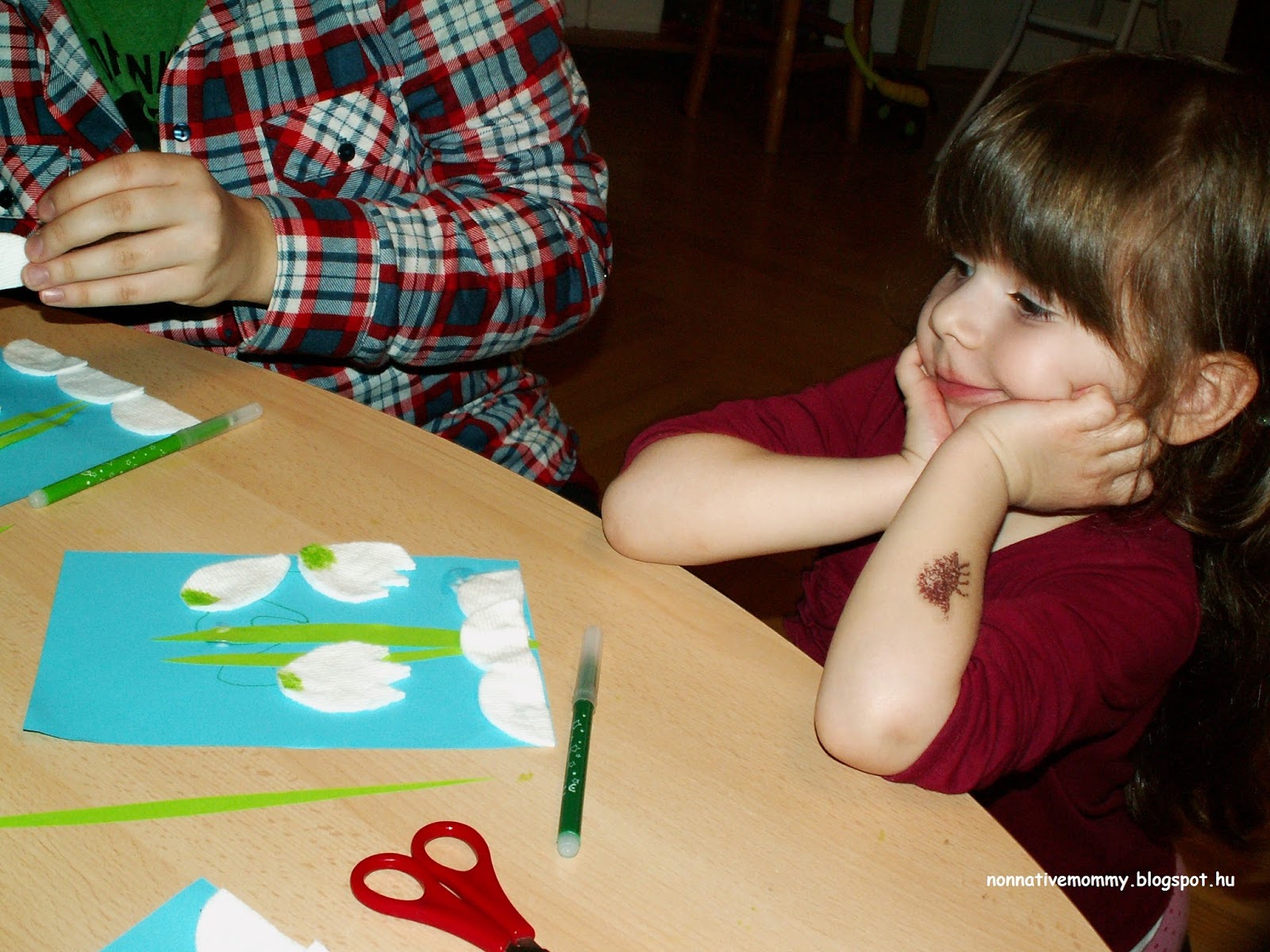
Adding some more snowdrops:
We displayed them on the living room door:
Of course, this wasn’t their first occasion to meet but the 3rd or 4th. However, E. and L. hit it off at the very beginning. E. needed time to realise L. doesn’t understand when she mixes some Hungarian in her talk. I’m glad to say E. uses less and less Hungarian when she speaks English, and not only when our new nanny is around. Thanks, L! We’ve really needed the native input.
With a newborn in the house it’s extremely difficult to spend time in English with E. It’s challenging to spend time with her at all when L. needs me 7/11.
Here is a few tricks we sneak some English time in our weekdays:
1. E. goes to the nursery and comes home in the afternoon. Whenever she enters the door I greet her in English. Sometimes she doesn’t want to speak English at all, at other times I tell her that Mommy has been in English with L. all day then she is more likely to give in and we spend the evening (playtime, video time, dinner, bath and bed/story time) or part of it in English.
Bedtime reading – Picture Atlas
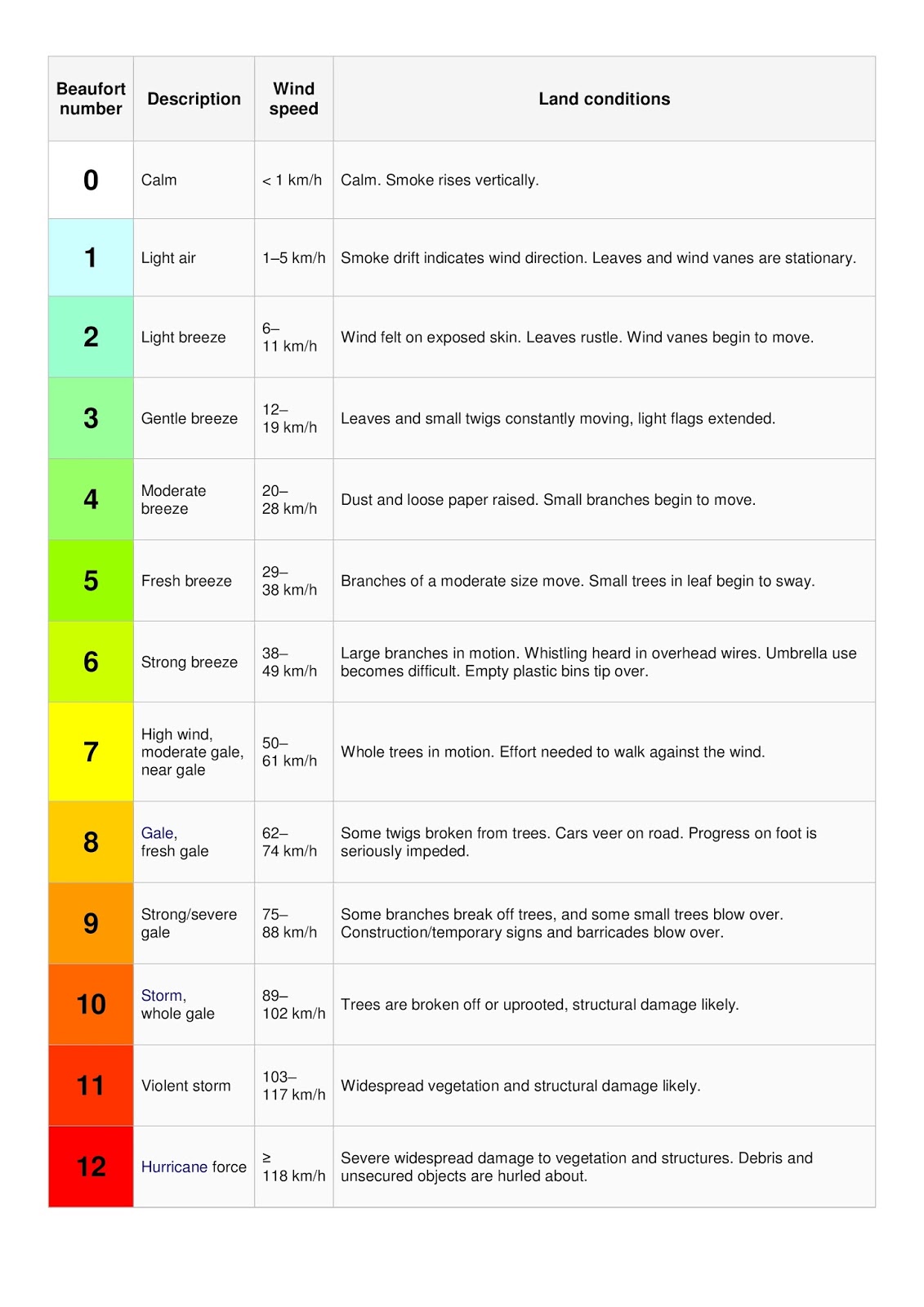
2. I rely on her new interests., i.e. at the very moment wind types and the Beaufort scales. She got a book for Christmas from her Godparents (in Hungarian):
She loves the Beaufort scale in the book, so with Daddy’s help we made our English version of it.
3. New nanny: Although our new nanny is only temporary (for max. 2 months as she’s returning to the US) her visits have increased our English playtime.
Making snowdrops with or new native nanny, L.
4. Holidays: preparing for a birthday or St. Patrick’s day for instance has also given us a chance to practice our in English
Heart garland for Valentine’s Day
5. Helping around Baby Sister: E. helps a lot with bathing, dressing or entertaining Baby Sister. Every now and again I manage to convince her to use English in these situations.
Helping Baby Sis get undressed
+1 Cooking/baking together is always a hit with E. She is always happy to help me in the kitchen and it goes without saying we do things there in English most of the time.
E. found a small box of thumb pins before Valentine’s Day and went back to it time and time again. She was asking how we use them and what they are for. So I decided to put together an activity in which she can use thumb pins and also connected to the upcoming Valentine’s Day.
I printed a do-a dot heart from the net and picked one our IKEA cork trivet. I coloured the dots so it would be more fun to use the right colour thumb pins.
While doing the pinning you can revise the colours and learn the word “cork” itself.
When finished she put more pins in the middle. The next day she pulled them all out and packed them away.
This activity helped her muscles strengthen in her hands as well. We’ll do more of this kind of activity as E. loved it and it’s a great pre-writing task. (We can revise shapes or have a shamrock to pin for St. Patrick’s Day etc.)














 Non-native Mommy