Our new timeable for 2014

New year – new timetable. First I though we have been spending less time with English in 2014, but I was mistaken. We are spending more time with the second language than according to the previous year’s timetable.

Here is the new chart:
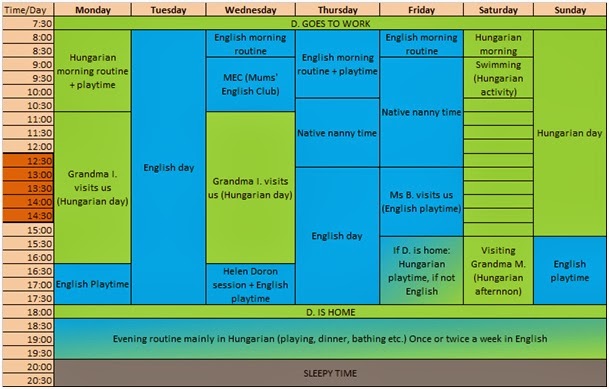
49 % English time, 51 % Hungarian time 

Of course we are flexible, this is just the plan. An illness, some unexpected visitors or a change in our helpers’ schedule can alter the timetable but this is more or less the main framework.

You can see two areas in the timetable (Friday late afternoons, and dinner-/bath time) which are neither clearly dedicated to English nor Hungarian, or, I can put it, they are the most uncertain periods of the week. The reason for this is D. has been working a lot and because of his long hours we never know if he is at home at these times or not. So when he can’t make it we use English. This is how we compensate for missing daddy.

Our native nanny, A., comes twice a week, a total of 6 hours per week.
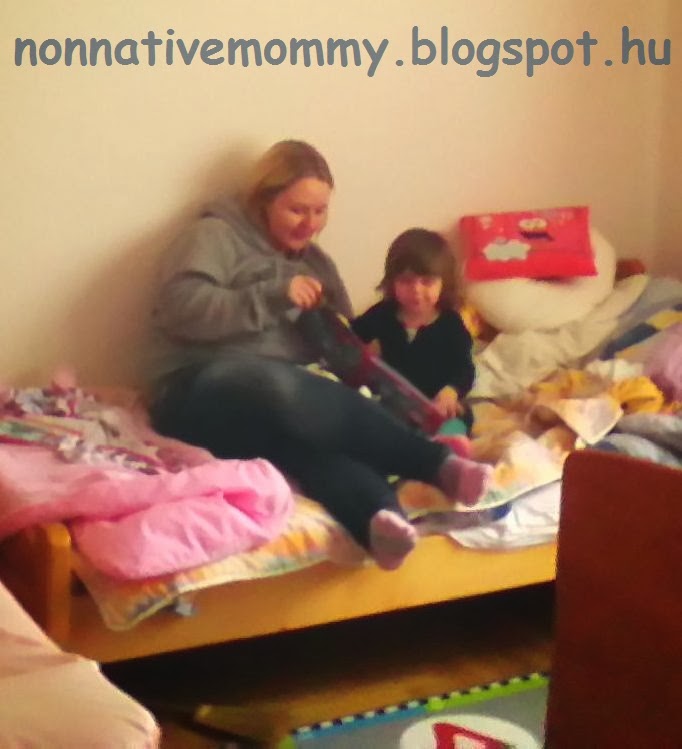
A. and E. are reading Berry and Dolly

The timing of the Helen Doron sessions has been moved from the mornings to the afternoons and on a different day (Wednesday) but we still have one occasion per week. To be honest, we are not listening to the CDs as often as we used to. It is mainly because E. is a little bored of them (me too…) and she knows them all by heart, so what for? Still, she enjoys the lessons, especially painting (I’ll write more about it in another post) and moving water from a teapot or a dish to a cup. Playing with scrunchy balls -crumpled newspaper sheets with cello-tape around them- and pots are also among her favourite activities. We sometimes play with them here at home as well.

Fascinated by the baby paint

Even if it is a Grandma day (using Hungarian) at the end of the day I always try to fit in some English playtime, cooking time, shopping time or playground visit etc.
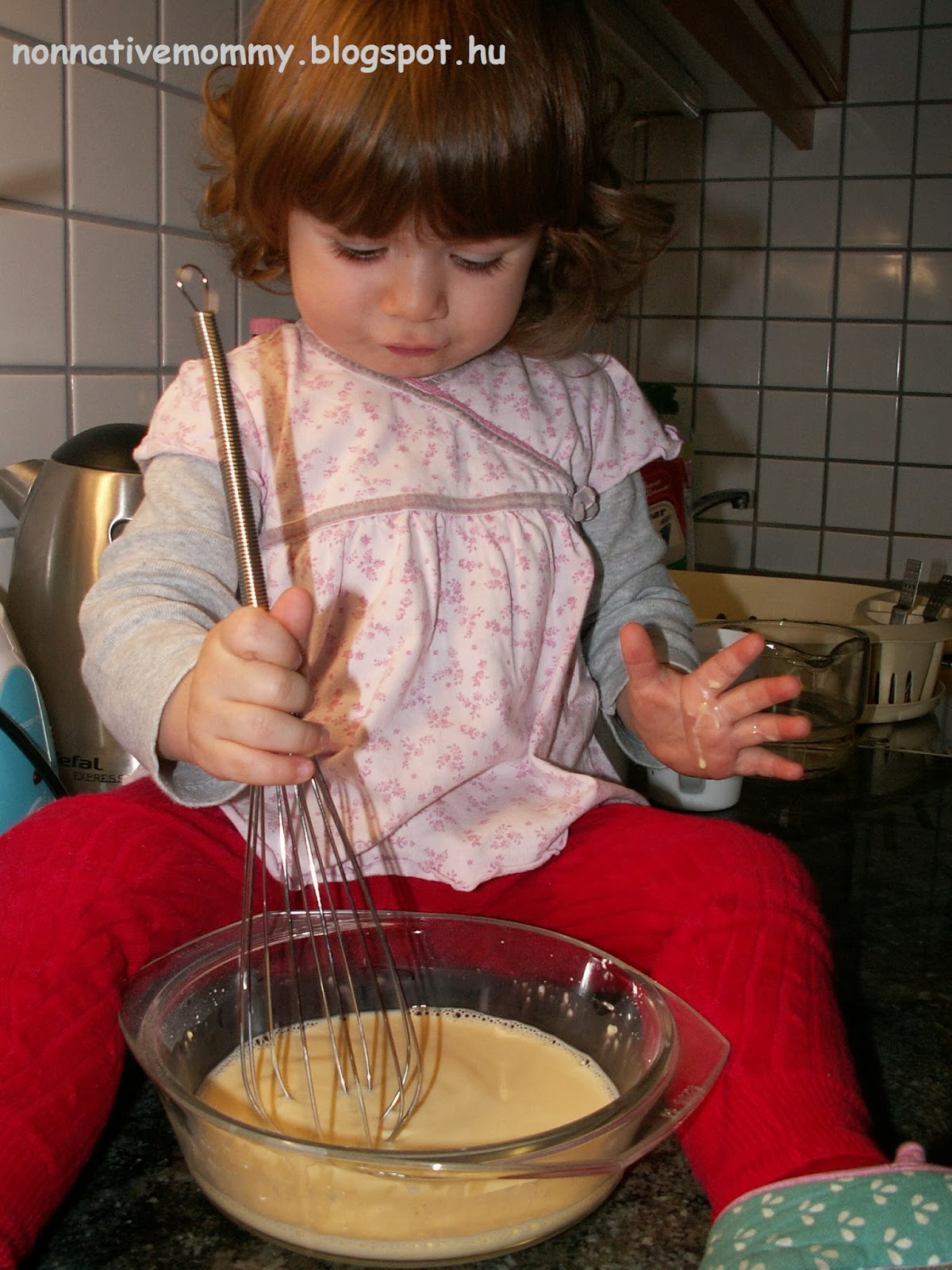
whisking egg yolk

The weekends are the trickiest. As I really want father and daughter to build a strong and warm relationship we (the three of us together or just the two of them) have quite a great number of programmes  in Hungarian environments. I find this more important than the language development.
Daddy time

However, at weekends I always try to spend some hours with English. These are not long, and not so interactive or highly communicative activities, like watching videos in English, or reading a story in English.

I’m looking into our bilingual future with confidence and great hope. 2014 will be even more successful than 2013 was.
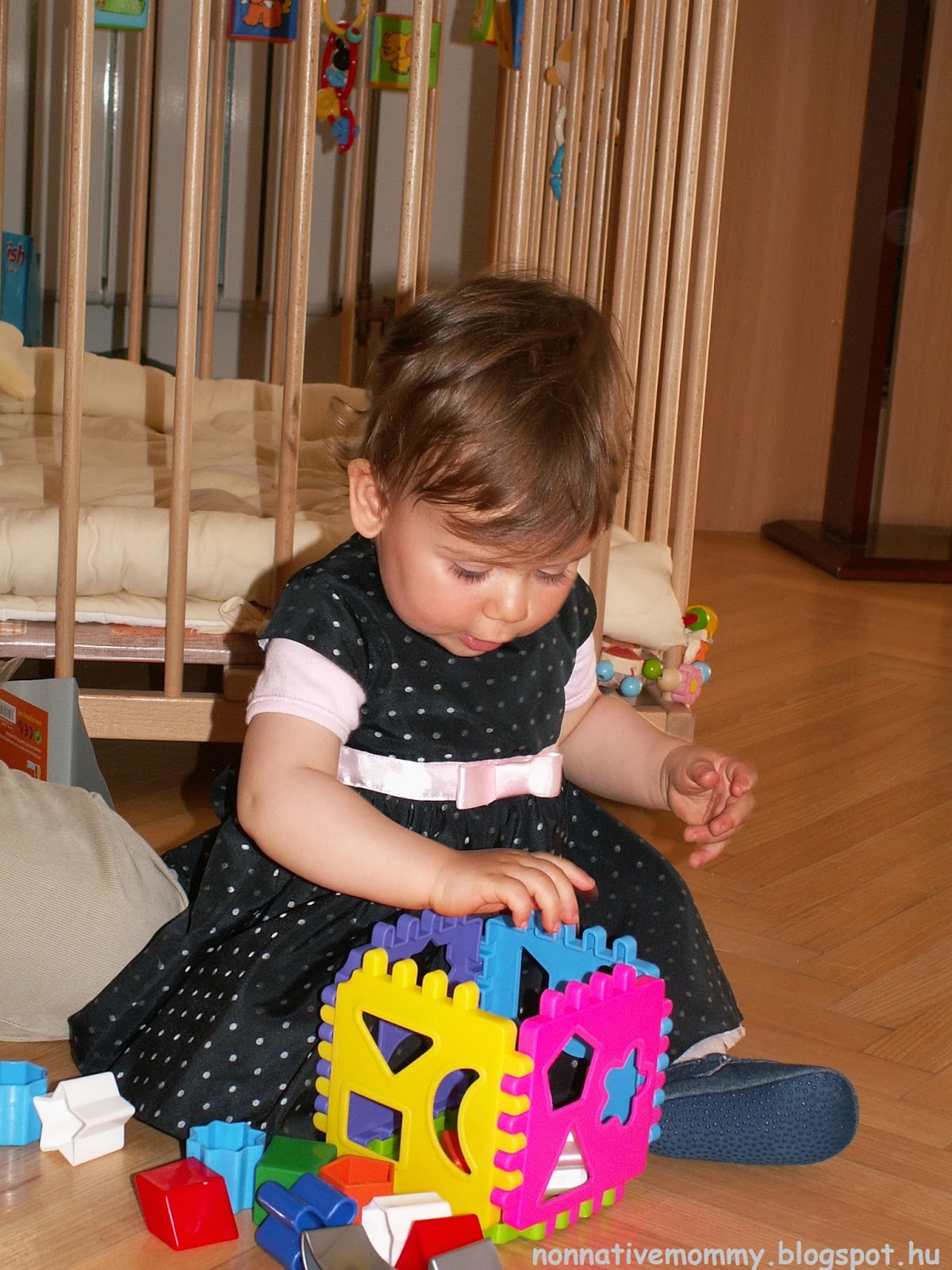
Shapes, shapes, shapes – there are all sorts of shapes

E. is into shapes to a great extent. About 2 months ago (when she was 16-17 months old) she already knew all the basic (and some not so basic) shape names. So it made me think what we can do to practise and play with the shapes in more varied ways.

When E. was quite small, around 6-8 months old, we watched and we’ve still been watching the following videos concerning shapes.

The Shape Song

Shape Song 2

We have some new favourites. While we are watching some of them she bursts out with laughter, like in case of the following:

Miser Maker: I am a shape

The next video might seem very monotonous and boring but my daughter loves it and sometimes wants to watch it 4 or 5 times.

What shape is it?

There are a lot more videos on shapes but I do not want to bore you. You can search for them on youtube.

E. got a shape cube for her first birthday, but she was totally untouched by it after taking a first look.

Birthday present with potentials

Mostly, I was playing with it and she was watching, or was just playing away next to me. When she was about 14-15 months old, she started to name the shapes out of the blue, much to my surprise.We also use the shapes of the cube to match shapes in a little bit more different way. I took out a piece of paper and 9 shapes from the cube (I don’t know why 9… it could have been 5, 7 or 10. It was a sudden idea.). With the help of a brown crayon I drew them around (E. was watching closely and tried to help a bit too 🙂 )

Then I gave her the shapes and I didn’t even have to tell her what to do. She started to put the shapes on the paper.


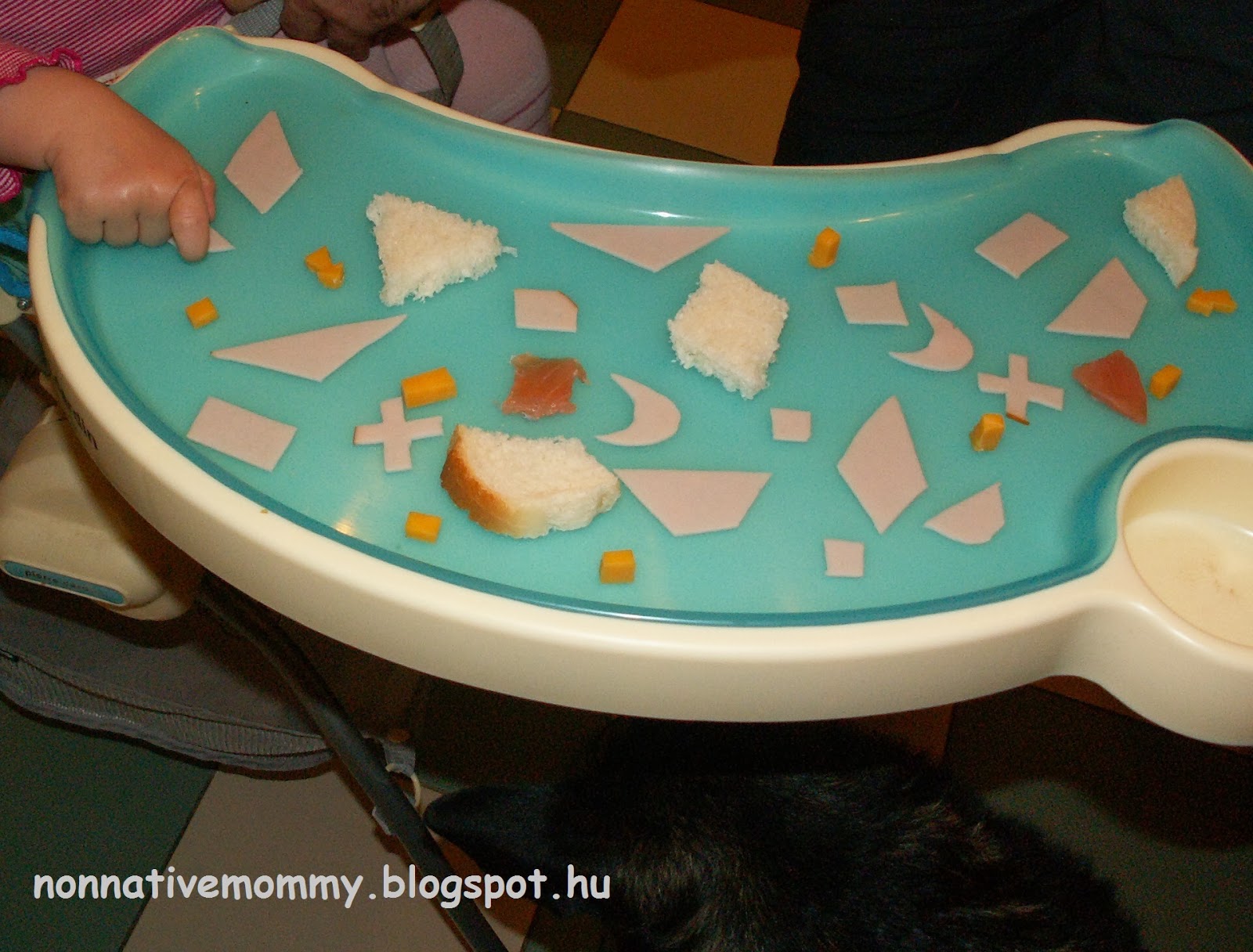
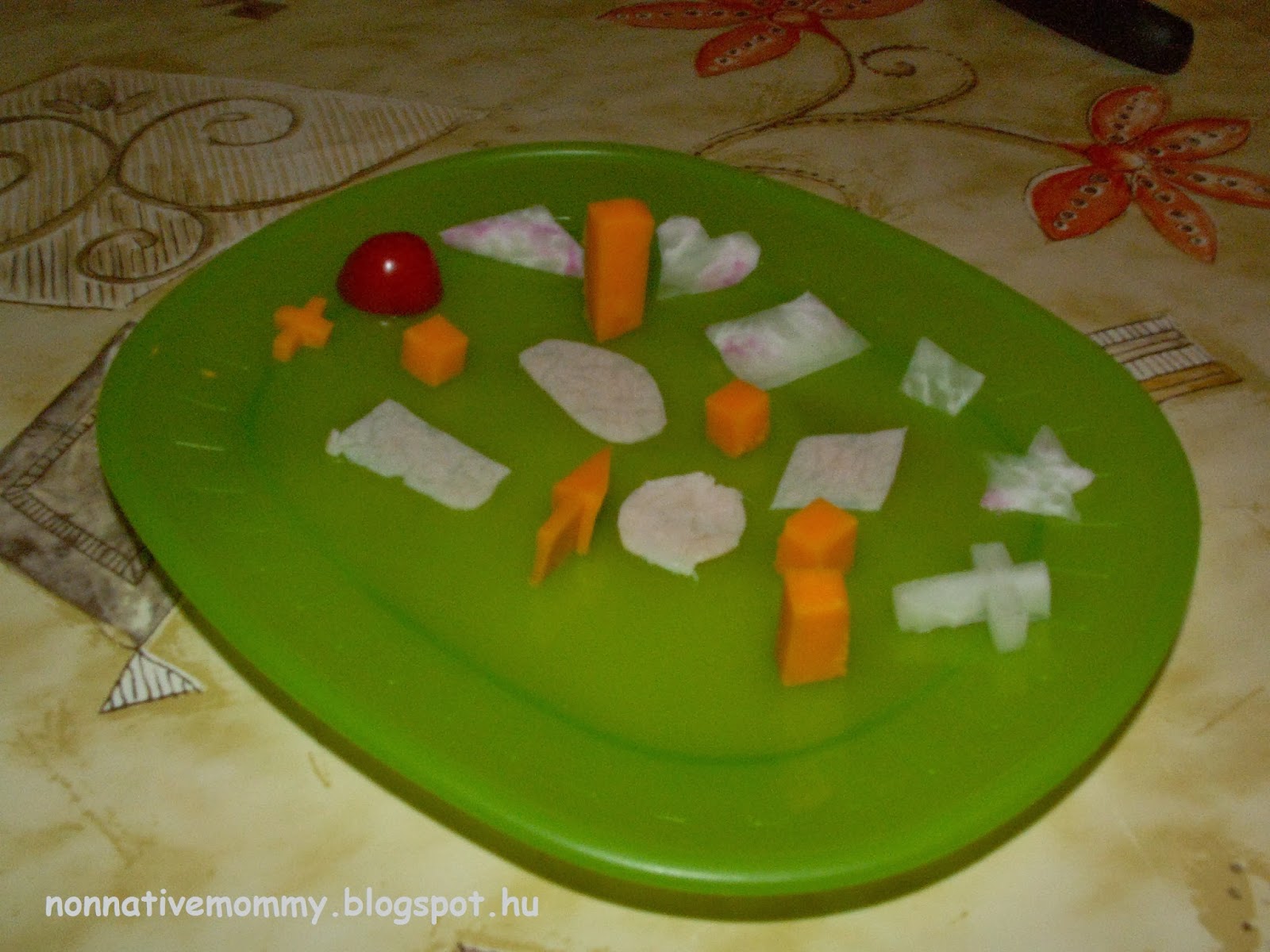
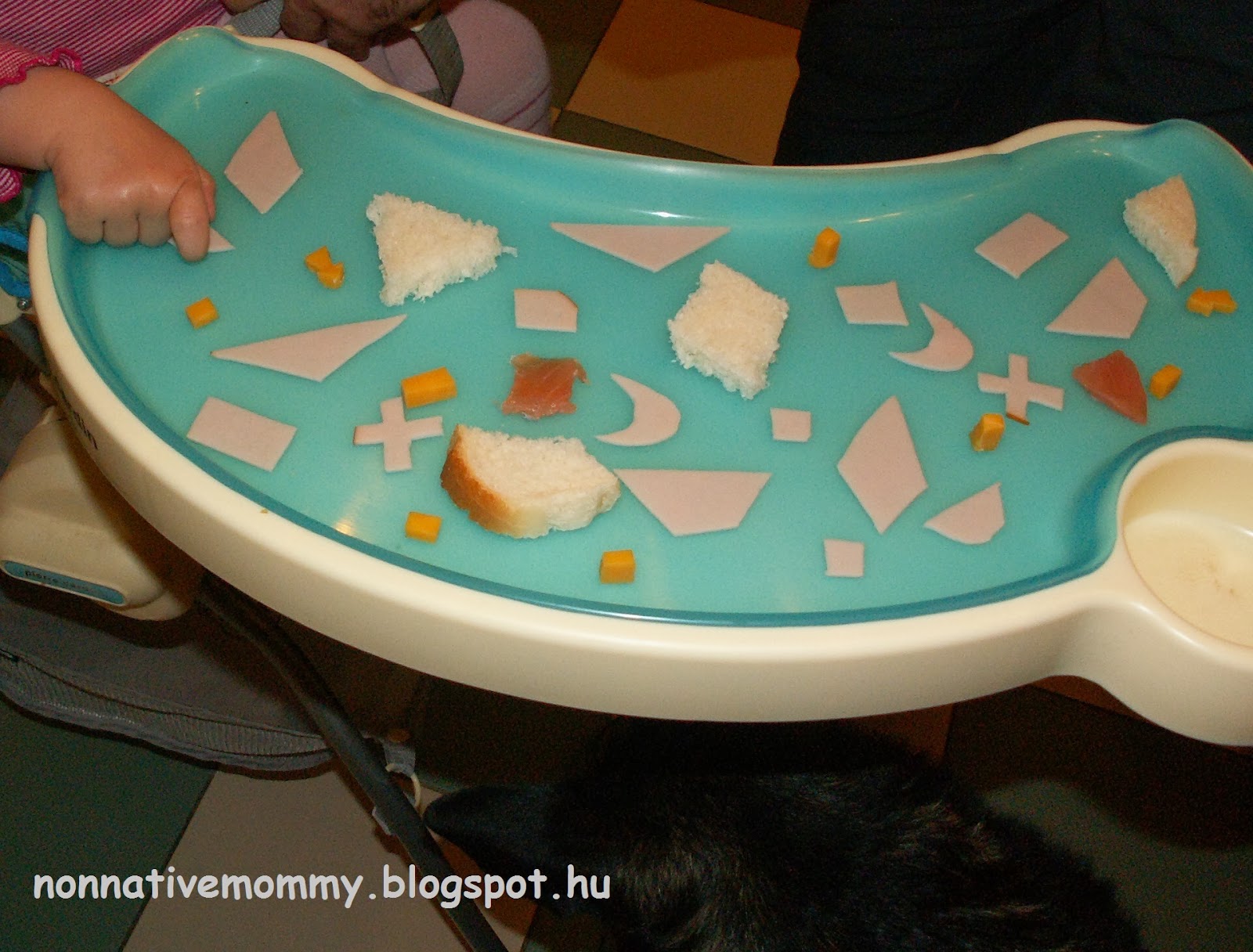
To initiate more talking I always asked what she was doing, what shape it was she was holding etc. Plus, she sometimes said the colour of the shape, too, all by herself.Sometimes E. needs motivation to eat. At dinnertime I prepare some ‘soldiers’ and different shapes carved out of bread, ham, salmon or veggies. It is much more fun for her to eat a pentagon or a triangle than a slice of simple cucumber.


When she turned 16 months we found some books in the library on shapes. This picture dictionary contains two pages of colourful shapes (solids too).


Before taking the book back to the library I had these (and some more pages) photocopied and used the shapes to make flashcards as well.

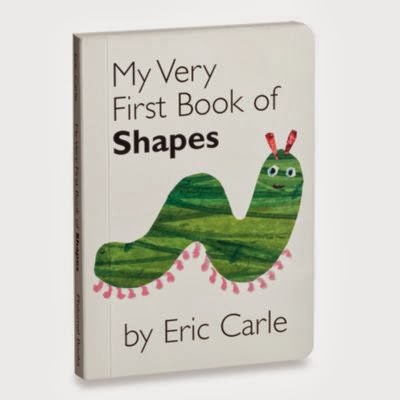
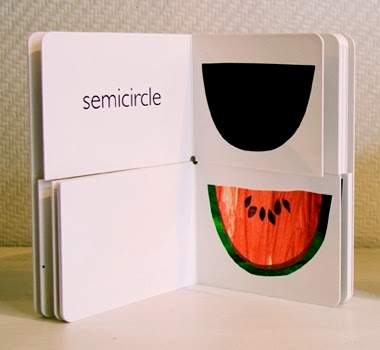
And a famous favourite (alas, we’ve got it in Hungarian in the library but this unfortunate fact does not keep me back to use it for other language purposes):


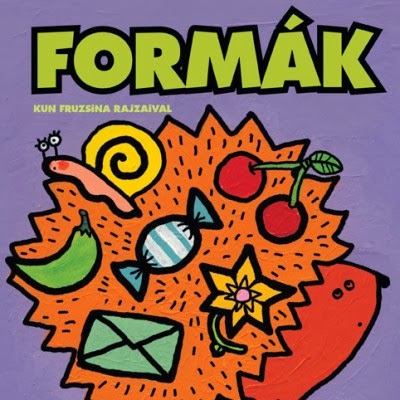
Another Hungarian one: Kun Fruzsina: Formák

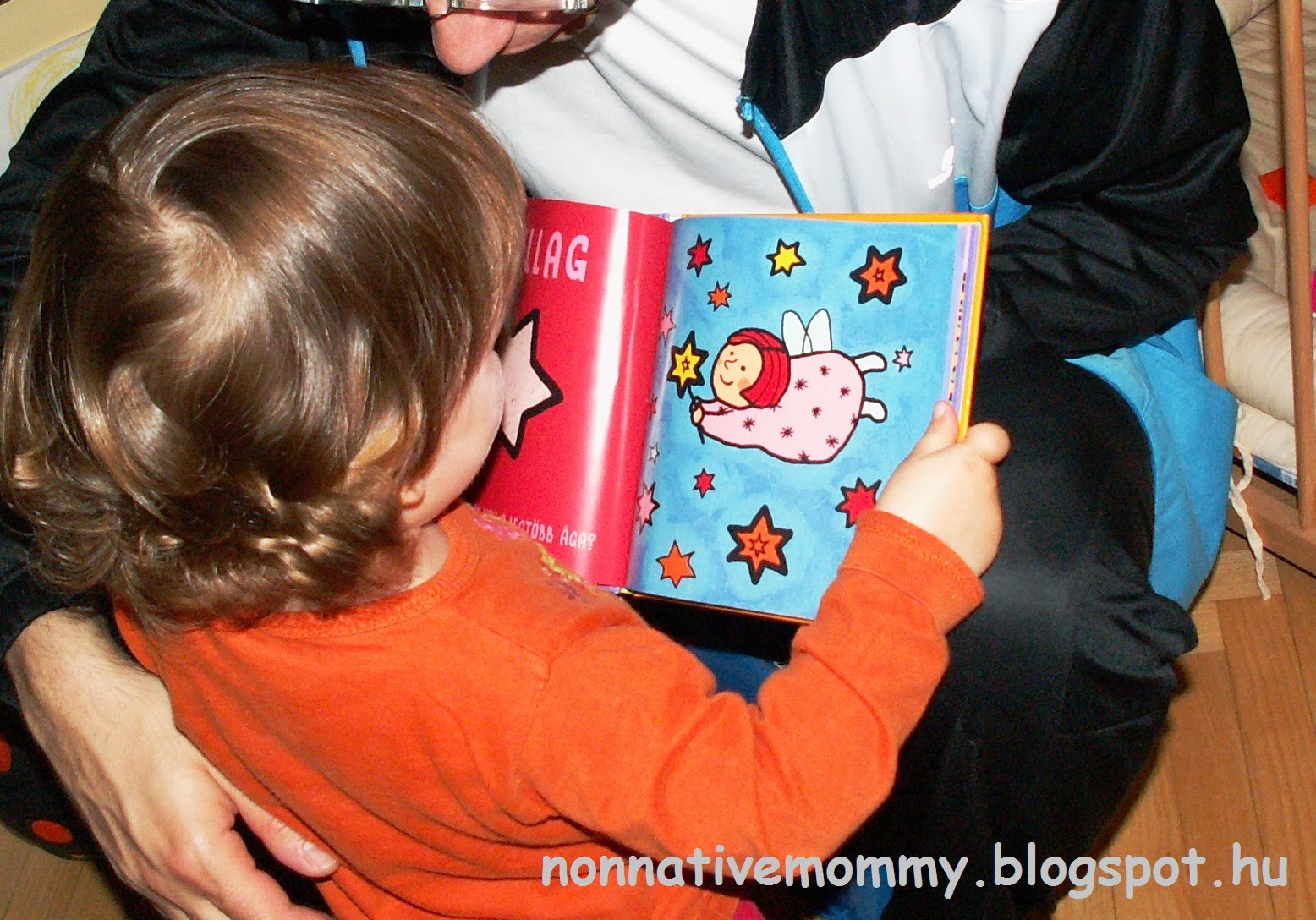
Stars

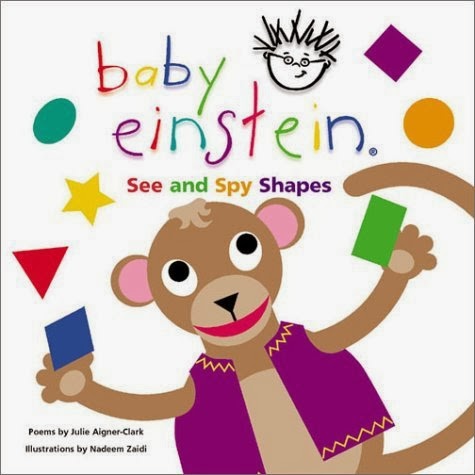
 Last but not least a Baby Einstein book on shapes:

There are tons of books on amazon.com all about shapes. No matter which book you use, but it is another fun way to talk about shapes and see them in different contexts.

Baby’s Best Start (Helen Doron beginner baby course 3rd CD)  has a song about shapes. We listen to it twice a day and E. knows it by heart. Also, the book contains pages of shapes and objects of a similar kind (circle-sun, triangle-sail, square-book).

Often E. identifies shapes by herself. On the table-cloth of our dining table there are some diamond shapes and whenever she walks past she points at them and says: – Little diamond. Here. Big diamond. There.

On the basis of this experience, sometimes we just walk around the house and identify shapes. (The mirror is a rectangle, the washing machine is a cube, the socket is a square and the hair bobble forms a circle etc.) It is also a good idea to collect smaller objects of different shapes in a light box that your child can walk around with. When you have like 10-15 things you can throw them all onto the floor and group them according to their shapes.

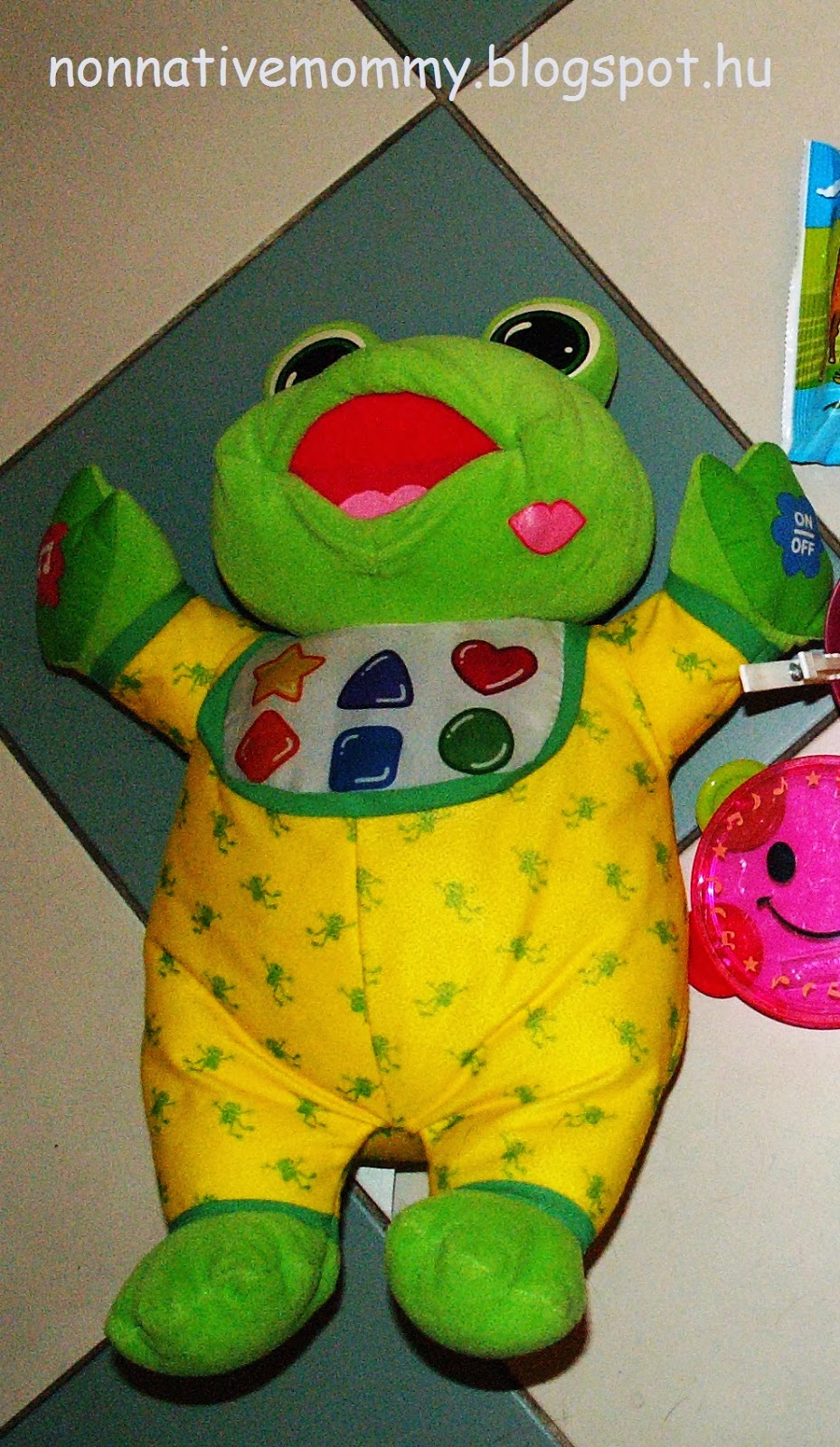
For E.’s first birthday I also bought a second-hand  Froggy with shapes on his tummy. When you turn it on one of the shapes starts flashing. You need to push the flashing button and the Froggy starts singing a famous nursery rhyme/song (Star – Twinkle, Twinkle, Triangle – Mary had a little lamb, Circle – Pat a cake and so on). Unfortunately, the square does not work any more, so whenever E. tries to make the square work I sing the Helen Doron Shapes song.

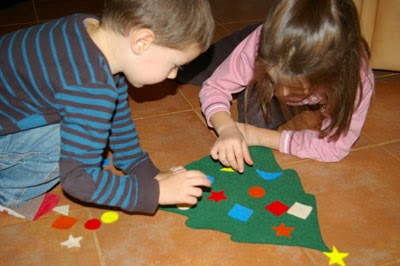
As Christmas was here I was planning to do a little christmasy shape fun, but I did not have time to make it. You can find a lovely Christmas tree decoration game with shapes here (ketnyelvugyerek.hu). The description is in Hungarian, but the picture speaks for itself.

Or a similar activity from Super Simple Learning with a template.

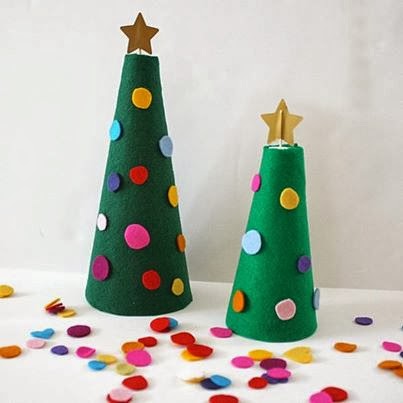
Another simple 3D Christmas tree decoration fun:

http://buggyandbuddy.com/christmas-activities-kids-decorate-felt-christmas-tree/
We are going to do all these next year I am sure, as a little revision. 😉

Finally, let me show you a picture of shape chaos after an hour of playing:


Merry Christmas

I’ve been really busy lately: we’ve had some illneses and I started to learn Spanish, which kept me away from the blog. But next year I’ll catch up. Promise… to myself mainly.

Of course, the last few months have been full of preparation for celebrations (Thanksgiving, Advent, birthdays, Santa Claus day – the Hungarian speciality – and Christmas). We had a lot of English usage in connection with these and in our everyday life too.

Santa arrived on 6th December

Shapes are in – a post will be comming soon on the topic.

Food shapes

We still take part in Helen Doron English sessions – some negative, some positve expereinces. Might share with you later, too.

E. is getting more and more interested in numbers (big numbers in the first place) and letters as well. I’ll also write about how far we’ve got and what we are doing with letters and numbers.

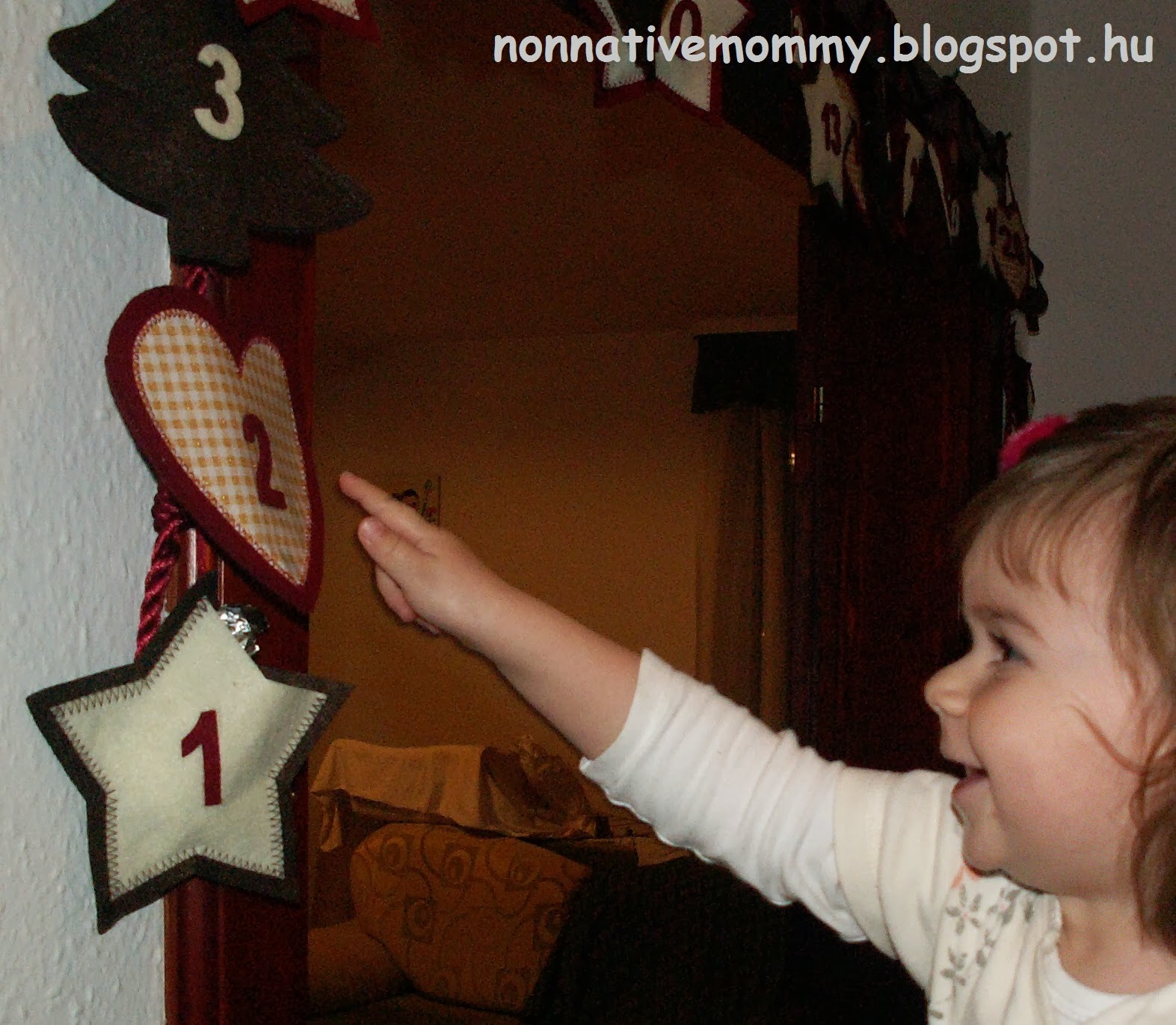
Andvent calendar and its numbers

We’ve put a hold on flashcards as E. doesn’t seem to be excited about them any more (sometimes we do a little revision), and as she speaks continuously and more or less fluently (3-6 word sentences) with a wide range of vocabulary, flashcards are pointless in introducing something new to her. (I have some ideas of car logos, starsigns and Christmas vocab, but she knows a lot about these things aready)

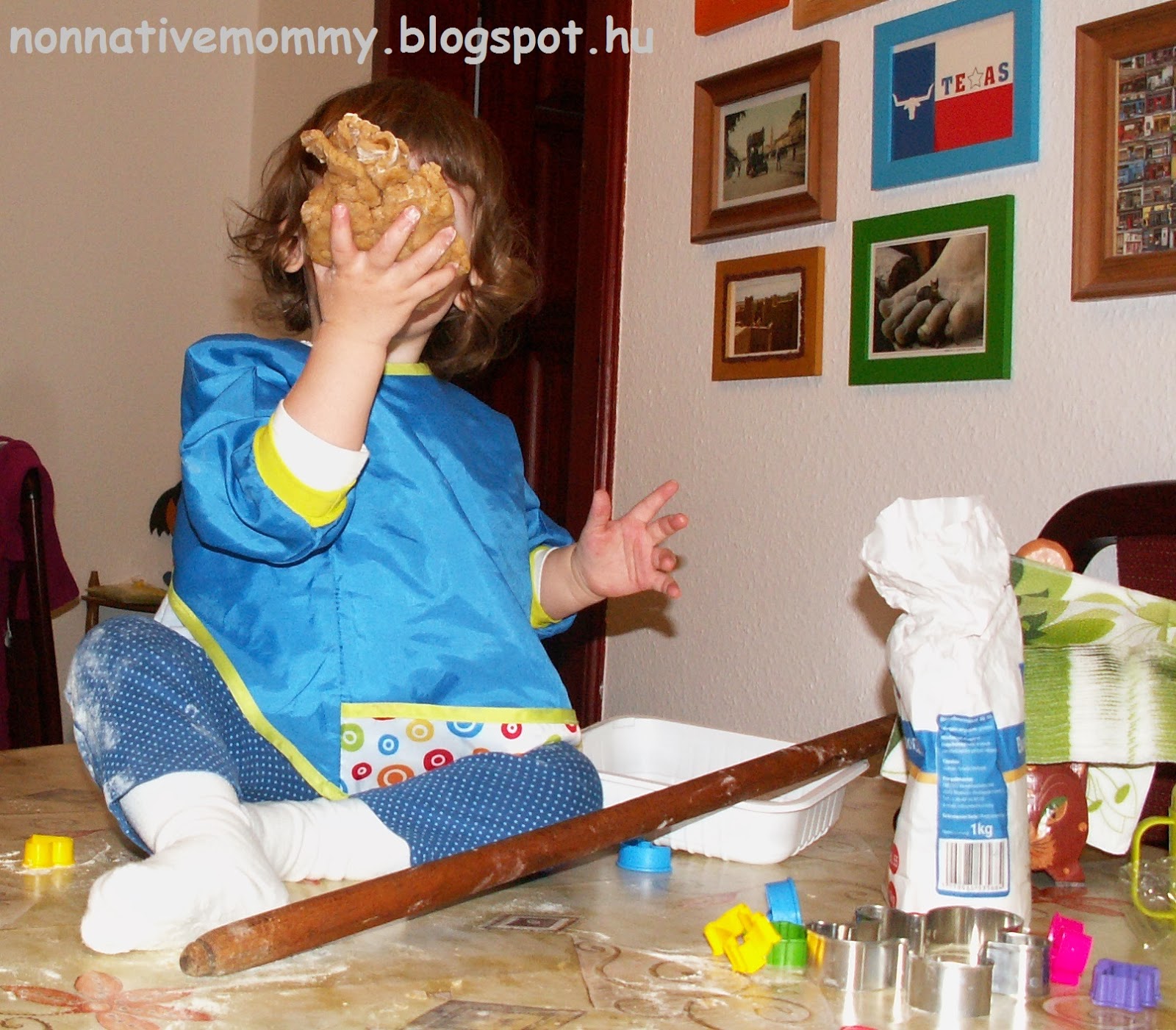
Baking gingerbread was one of the highlights of this season – the time when she learnt how to pose and say ‘cheese’ when someone takes a photo of her.

Is it going to be a Gingerbread man?

Thank you for following us, and giving your feedback.

I wish you and your family a very Happy Christmas and a successful New Year with a lot of second (or third) language.

At night

Teething is a hard period both for mommy and baby. Still, some sleepless nights are spent with a little English.

It started two months ago when E. first started to call me in English at night. Her tooth didn’t let her sleep, so she cried out for Mommy: – Mommy, coming, E. get out.
When I went in I asked her in English what the problem was. She replied in English: – Drink.
So I gave her water. Then when she stopped drinking, said: – Enough. She also asked for her Doggie and nappy, which she always sleeps with, in English.

So after this experience, whenever she wakes up during the night and asks for me to go into her room I use the language (either Hungarian or English) she talks to me. (It’s about 50-50%)

She’s had some funny night comments since we “speak” in English during the night:

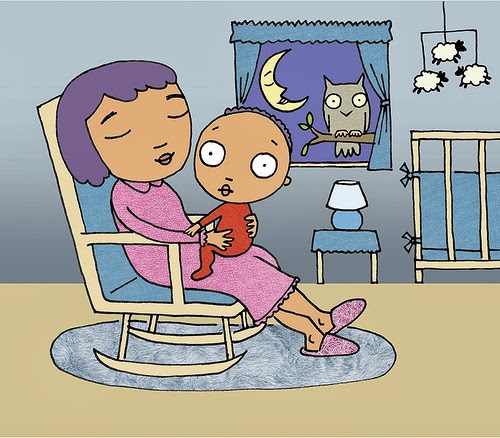
  • She is so heavy it is easier for me to hold her while we are sitting in the rocking chair. I was holding her once and she said: – Not comfy. Then I changed her position and she was satisfied.
  • Another night I was holding her but she wanted to get away from me, and when I asked her what she wanted, she pointed to the floor and said: – Dummy, there.
  • I was singing to her one night – English songs -, but when I wanted to sing something else she said: – No, no. Every time I wanted to sing something else she said no-no. So I had to sing two songs for half an hour:

    Lavender’s Blue

          Stars shining (I couldn’t attach the video but you can find it on youtube if you search for “Stars shining – a lullaby”

Mind you, I do not talk to her during the night if it is not necessary, but sometimes a little communication is important, and if we do not sleep at least we have a little language practice.

More flashcards – clothes, dogs, birds and more

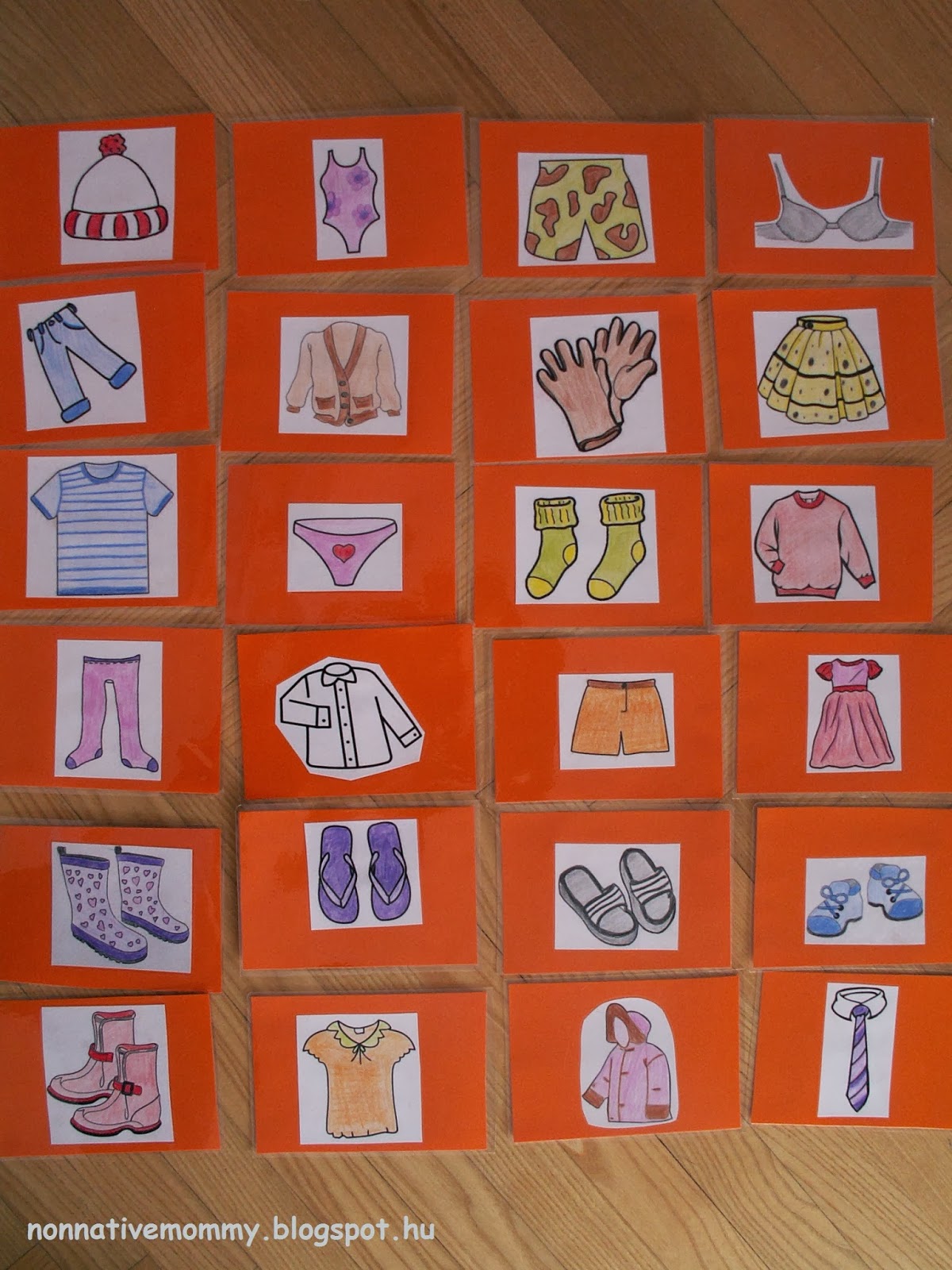
I coloured the clothes flashcards, but that was the end. I’m not going to colour more cards… I’ve had enough. So I asked D. to have them printed on the way home from work. And here they are!
I just needed to laminate and cut them up. It was easy-peasy. What’s more, they look more professional 😉

So here are some ideas what to do with the clothes cards:

  1. just show them one by one saying their name
  2. show the real items and match them with the card (once I lay down and E. put the clothes cards -the items I was wearing- on me. It was a little chill-out time for me 🙂 this is why I have no picture of this activity)
  3. group them according colour, sex or where we put them on (upper-body/lower-body, feet etc.)
  4. put together matching outfits: white and red hat, red jumper, blue jeans and red boots or orange blouse, yellow skirt and brown sandals (she got some weird combinations too: bra, slippers, tights).
  5. select the ones you can wear in the swimming pool, or what daddy wears at work, what we wear when it rains etc. – kind of situational usage of clothing

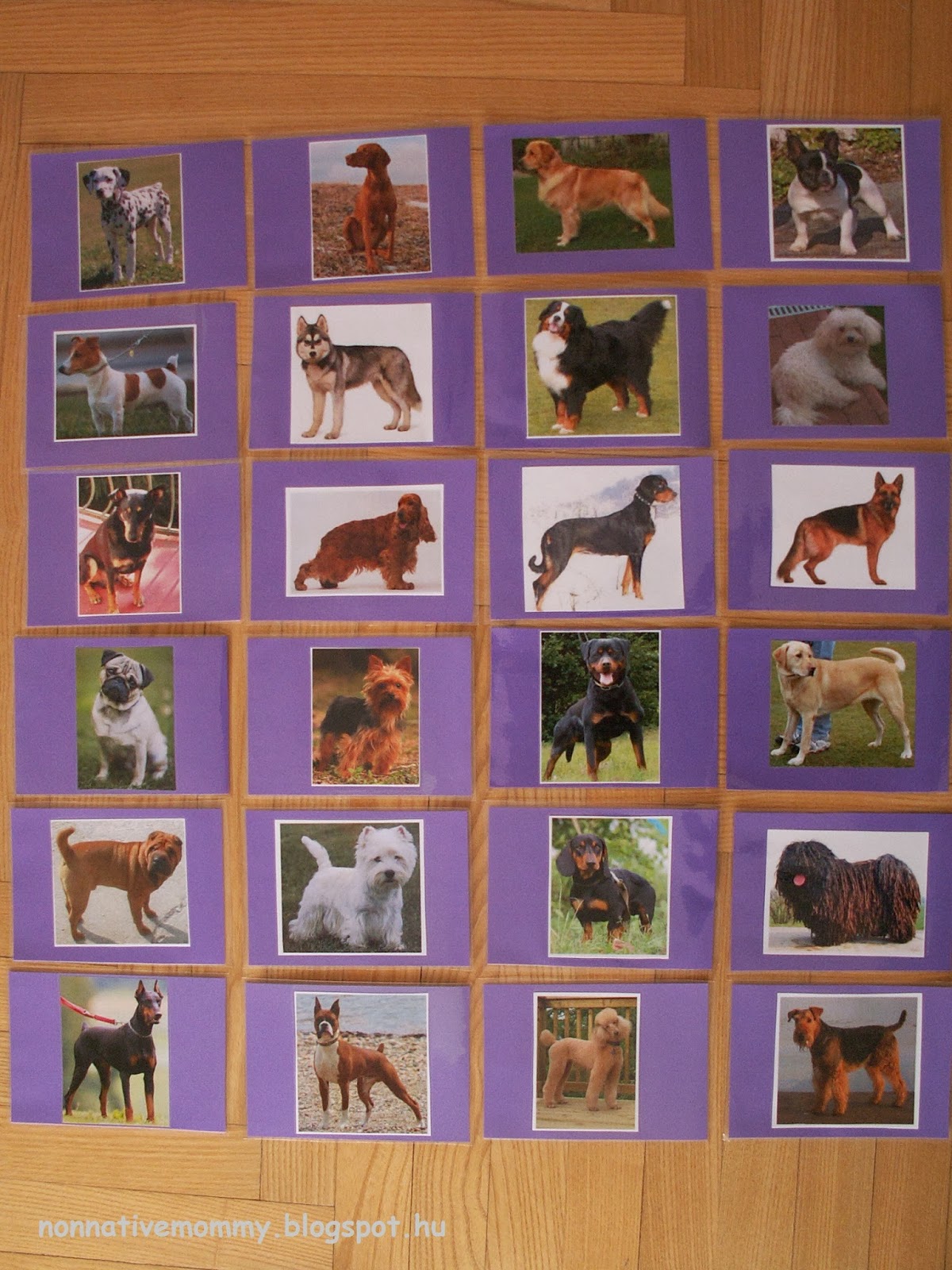
I was fed up saying “It’s a doggy” while we were walking in the street and saw different breeds of dogs. It must be strange for a child to see a Westie and a Bernese Mountain dog and hear that Mommy calls both of them a dog.

And what we do with the doggie cards:

  1. just show them one by one and say their names
  2. identify the size, colour and length of their fur
  3. group them according to colour, having a tail or not, met them in our area or not
  4. give them dog names (we have the picture of our dog, M. and at Grandma’s place she’s got a plush dog called Bobby, and a sleeping toy called Morzsi, so after naming all the dogs we know we give the other dogs different names. We’ve got a lot of Bobbies, some Georges – after Peppa Pig’s brother etc.)
  5. pat and stroke (E. picks few dogs and pat them or stroke them, nowadays she started to kiss everybody and everything, so the dogs cannot miss her kisses)

Bird cards: – we haven’t used them, but I plan the following activities:

  1. just show them one by one saying their name
  2. identify the colours on them
  3. listen to the sounds they make on youtube (I put together a playlist on youtube with the sounds of the birds – She loved the sound of jays so much she laughed out loud)
Bird cards in autumn light

    Household appliances:

    I cannot add anything new to the activities we do with these cards. Sometimes E. takes the washing machine card to our washing machine and throws it inside. 🙂

    Insects:

    The ‘nice’, not too disgusting insects

    I have made some more cards in the topics we already had as well as new ones. E. loves them but gets bored of them quickly (she knows all the dogs and clothes already…) so we have baby objects, furniture, vehicles and famous building flashcards too. If I have time I’ll take photos of them too. However, we do the same things with them. And there are more to come: tools, kitchen utensils, geographical features, famous people, paintings – just to mention some which are on my mind.