Games in the playground

I was in trouble with the names of some playground games, so here is another wordlist and pictures to identify them more easily:


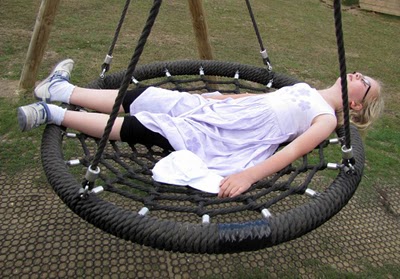
hammock
sandbox

English
Hungarian
swing
hinta
hammock swing
függőágy (hinta)
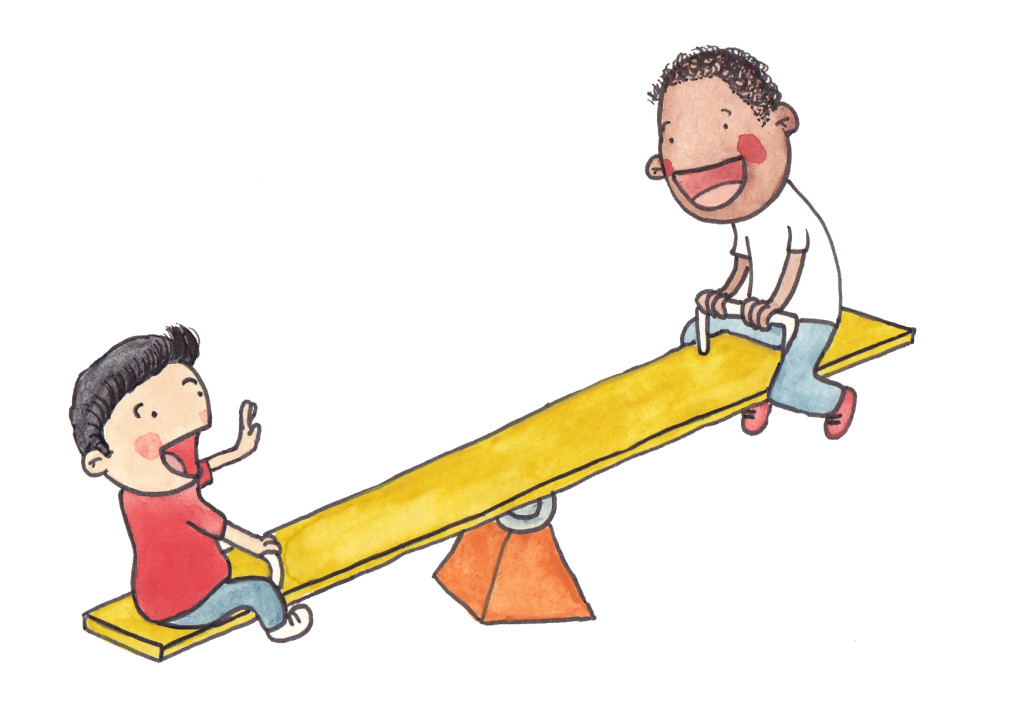
seesaw
mérleghinta
jungle gym, monkey bars
mászóka
slide
csúszda
rope ladder
kötélháló
sandpit, sandbox
homokozó

swing
see-saw
slide


jungle gym

monkey bars

Our playgrounds are not so varied as for the games. As soon as we come across some other playground equipment I’ll write about them.

Swinging up and down – games in the playground

Swinging and seesawing

When we go to the park, we always visit one of the playgrounds nearby.
As I didn’t know a good swing song in English, I asked a good friend of mine, K. and she recommended the following:

Swinging up and down in my great big swing,
Won’t you be my darling?

Looking all around in my great big swing,
Won’t you be my darling?
Swaying back and forth in my great big swing,
Won’t you be my darling?
Swinging up and down in my great big swing,
Won’t you be my darling?

By the way K. is on facebook with her Rhyming nursery. She’s got lots of great ideas to have fun in English with kids.

Another playground game that an 11-month-old can enjoy is the seesaw. Here is a song to sing along:

See Saw Margery Daw,
Johnny shall have a new master;
Johnny shall earn but a penny a day,
Because he can’t work any faster.


I really like the Gracie Lou character, so here is a version of it.

This song has been made into a swing song by Helen Doron. I don’t want to breach any copyrights so here is the lyrics only:


See Saw Margery Daw,
Johnny is swinging with granny;
He is swinging and it’s lots of fun
And it can be very funny.


Well, I sing it with “mommy” instead of “granny” and I, of course, replace “Johnny” with E.

I also know some other seesaw rhymes:

See-Saw Sacradown,
Which is the way to London town?
One foot up, the other foot down,
That is the way to London town.
or
See-Saw, up and down,
Tommy goes up, Tommy goes down.
I’ll be back with more playground stuff.

Changing from Hungarian to English and vica cersa

Just a short post about how to sign that we are using one or the other language. At present I’m trying to use every time to talk in English to E. So for instance, when D. takes the dog out for 20-30 minutes in the morning or in the evening E. and I change into English.
Before I start speaking English I sing the ‘Hello’ song. It is taken from the BBC programme called Something Special. (Jump to 0:20 for the song)

Before we change into Hungarian, I sing the “Goodbye song” from the same programme. (You can find the video below – just jump to 13:20. This is where the “Goodbye song” starts. Otherwise it’s a great episode on birthdays. Worth watching the whole). I also use the MAKATON signs while I sing. E. takes pleasure in it and the songs make it clear when we use one language and the other.

I’m sure there are several other ways to give a signal for changing between the languages. I look forward to your comments on how YOU do it.

Walking in the park in Enlgish – birds, trees and flowers

Every morning we go out for a walk. E. is the most attentive at this time of the day. At the beginning I was rather tense talking in English while we were walking and meeting other people, but by now I’ve got used to it.

On our way I name whatever we see. I try to pay attention to which direction she looks and what she sees. As I’m behind her, it’s not easy. So what I say is:

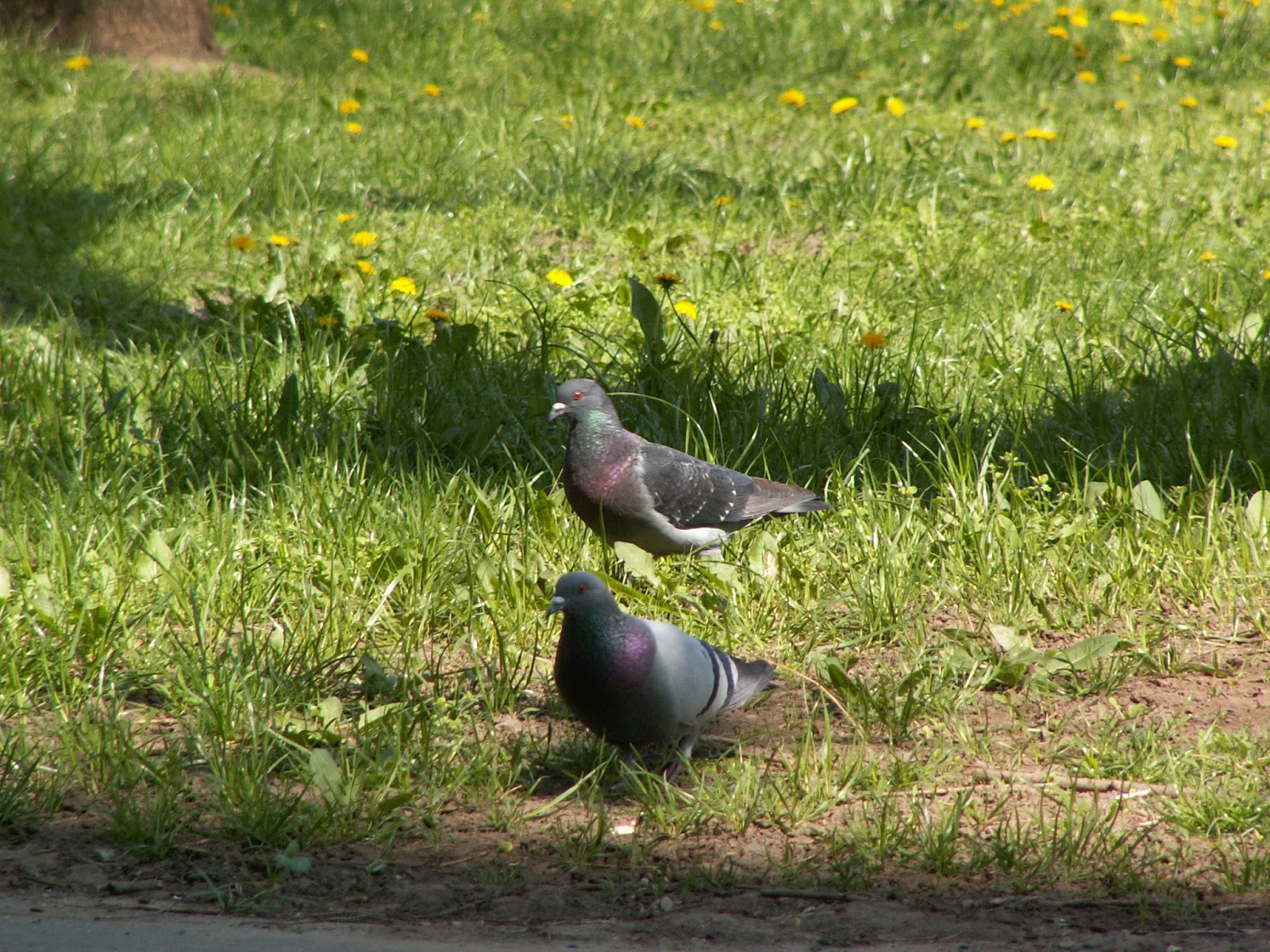
“Look, there’s a pigeon. She’s eating.” or “The pigeons have flown away.”
“The pigeons have flown away.”

“Can you see that big tree? The leaves are all green.”

Pansies in the flowerbed
“Let’s smell the flowers. Atishoo. Atishooooo.” (Here she smiles or even laughs at this.)
“Look, this flower is purple, and this one is white. And your favourite colour is here. It’s yellow.”
“What is buzzing? It’s a bee, flying from one flower to the other.”
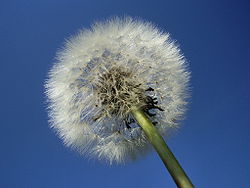
We were blowing dandelions: “Look, mommy’s blowing the dandelion.” (minimum 10 times 🙂 )
“I’ll taste this blowball.”

If we see a dog: “Look, what’s coming? A doggy. (She screams or says da-da)

If we go on a bumpy road I make it even bumpier and shake the pushchair a little: “Bumpy, bumpy, bumpy” (She enjoys it as well and grabs the sides of the pushchair hard)


Two pigeons

Today we have counted three pigeons and two doves: “One pigeon, two pigeons, three pigeons.””Are those pigeons? Nooooo. They’re doves. One dove, two doves”

These are some of the example, but as usual I’m talking to her continuously about what we see around us. She likes touching (and picking) leaves from the bushes. She is pointing at things so I name them (flowers, animals, people etc.)

Of course, I don’t know a lot of flowers and tree types, but I’m working on collecting some of the most common ones, which can be found in our area. I don’t like the long lists of vocabulary which include ALL the plant names. We need a small part of them only. The other thing is that I, myself, really need to learn them.

I don’t believe saying only “flower” or “tree” when we name plants is natural. In Hungarian I name them exactly (the ones I know, as I have deficiency in this field even in my mother tongue).

So here is a small collection of useful vocabulary concerning nature or rather wildlife in Budapest parks:

Birds:

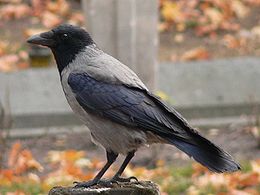
crow
dove


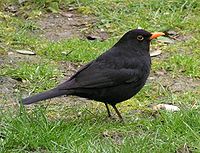
blackbird
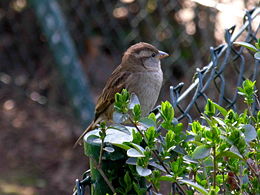
house sparrow
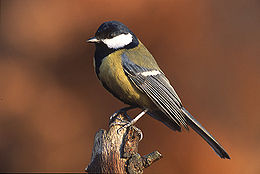
great tit 😉
swallow
woodpecker
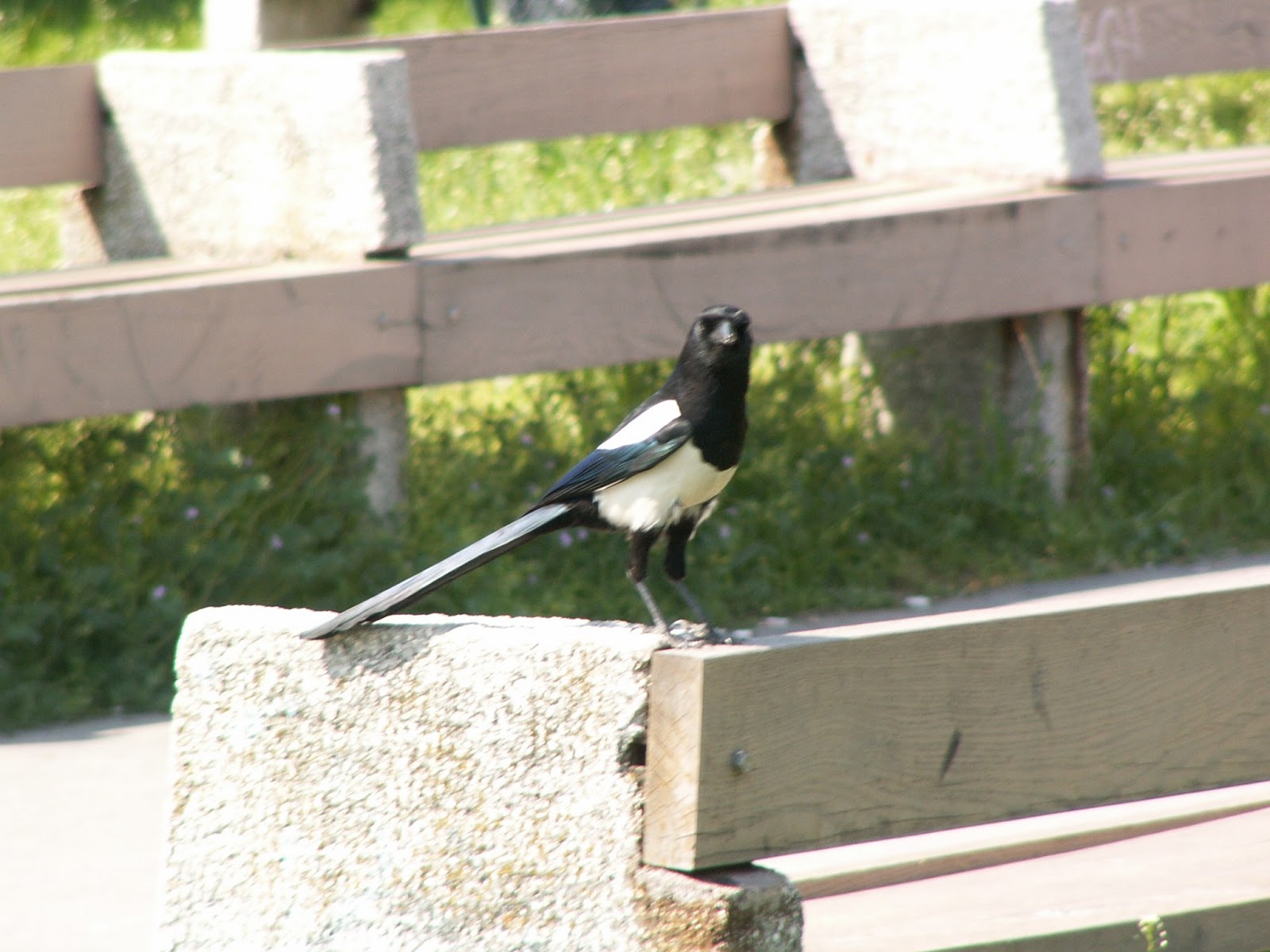
magpie


English
Magyar
magpie
szarka
sparrow
veréb
crow
varjú
swallow
fecske
pigeon
galamb
dove
gerle
blackbird
feketerigó
great tit
széncinege
woodpecker
fakopáncs
warbler
énekesmadár

Trees:

acacia
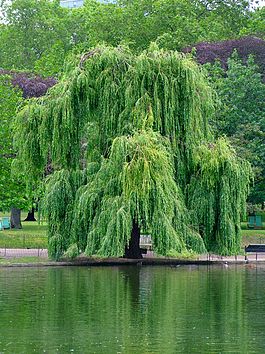
willow
horse-chestnut
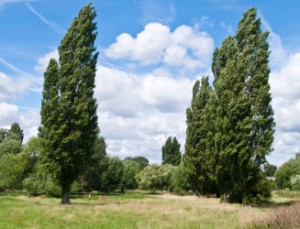
poplar
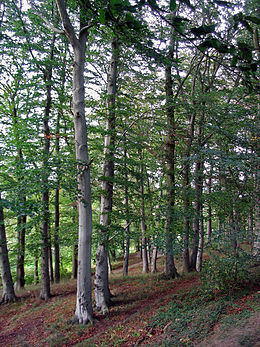
beech tree
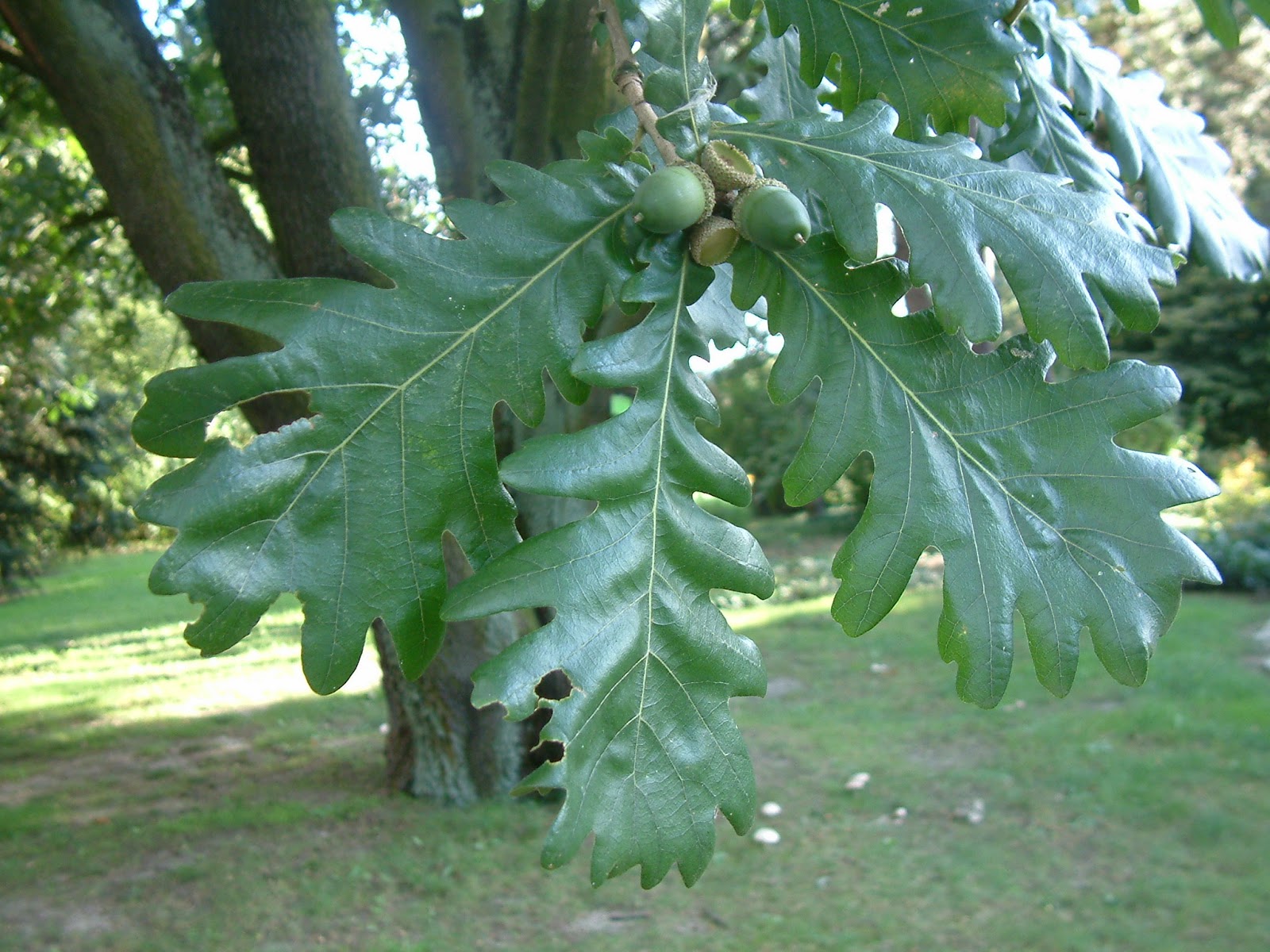
oak
sycamore
English
Magyar
chestnut tree
vadgesztenyefa
acacia
akácfa
  beech tree
bükkfa
oak tree
tölgyfa
willow
szomorúfűz
sycamore
platán
pine
fenyő
birch tree
nyírfa
poplar
nyárfa

Flowers:

forget-me-not
daisies
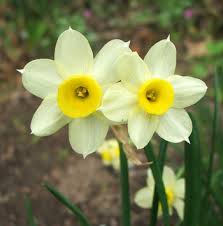
daffodils


dandelion or the so-called “blowball” or “clock”
dandelion in full bloom
geranium
flowering almond
golden chain
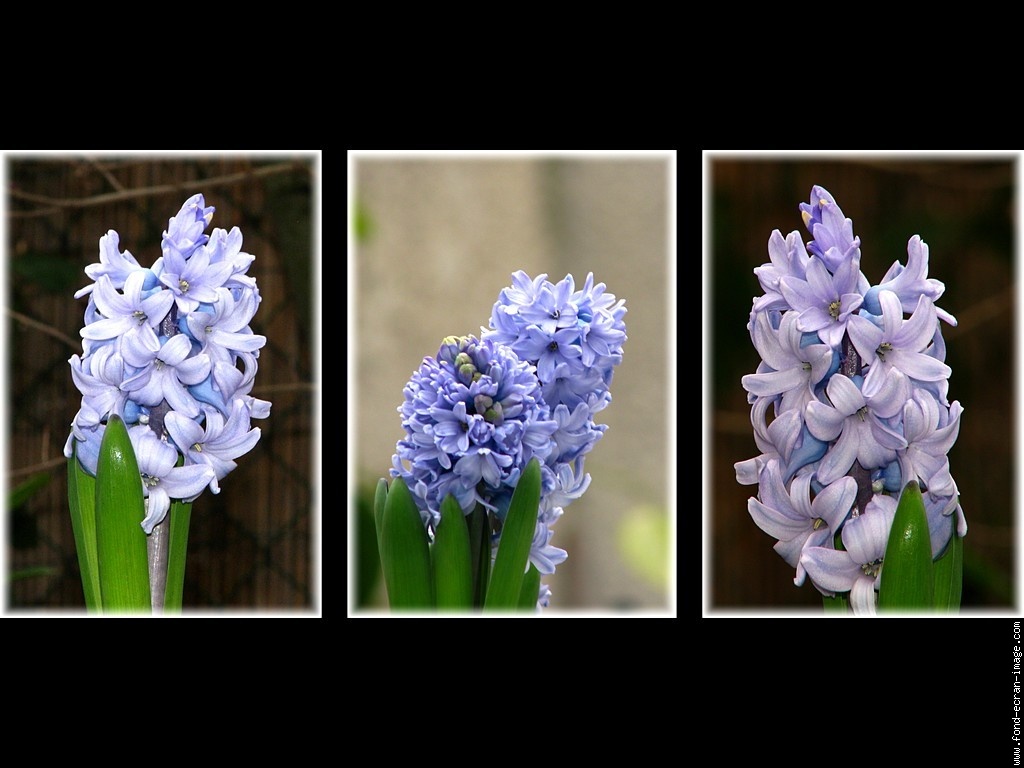
hyacinth
lavender
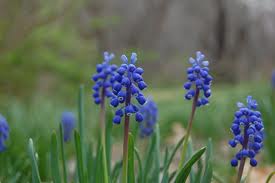
grape hyacinth
violet pansy
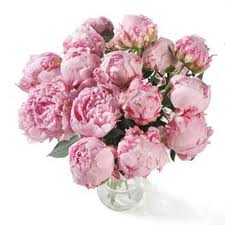
peony
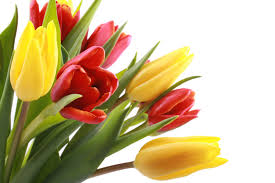
of course, tulips
lilac
English
Magyar
lilac
orgona
golden chain
aranyeső
dandelion
gyermekláncfű, pitypang
daisy
margaréta
forget-me-not
nefelejcs
pansy
árvácska
begonia
begónia
tulip
tulipán
flowering almond
babarózsa
daffodil
nárcisz
hyacinth
jácint
geranium
muskátli
peony
pünkösdi rózsa
lavender
levendula
grape hyacinth
fürtös gyöngyike

Helen Doron Early English – Baby’s Best Start (Booklets and CDs)

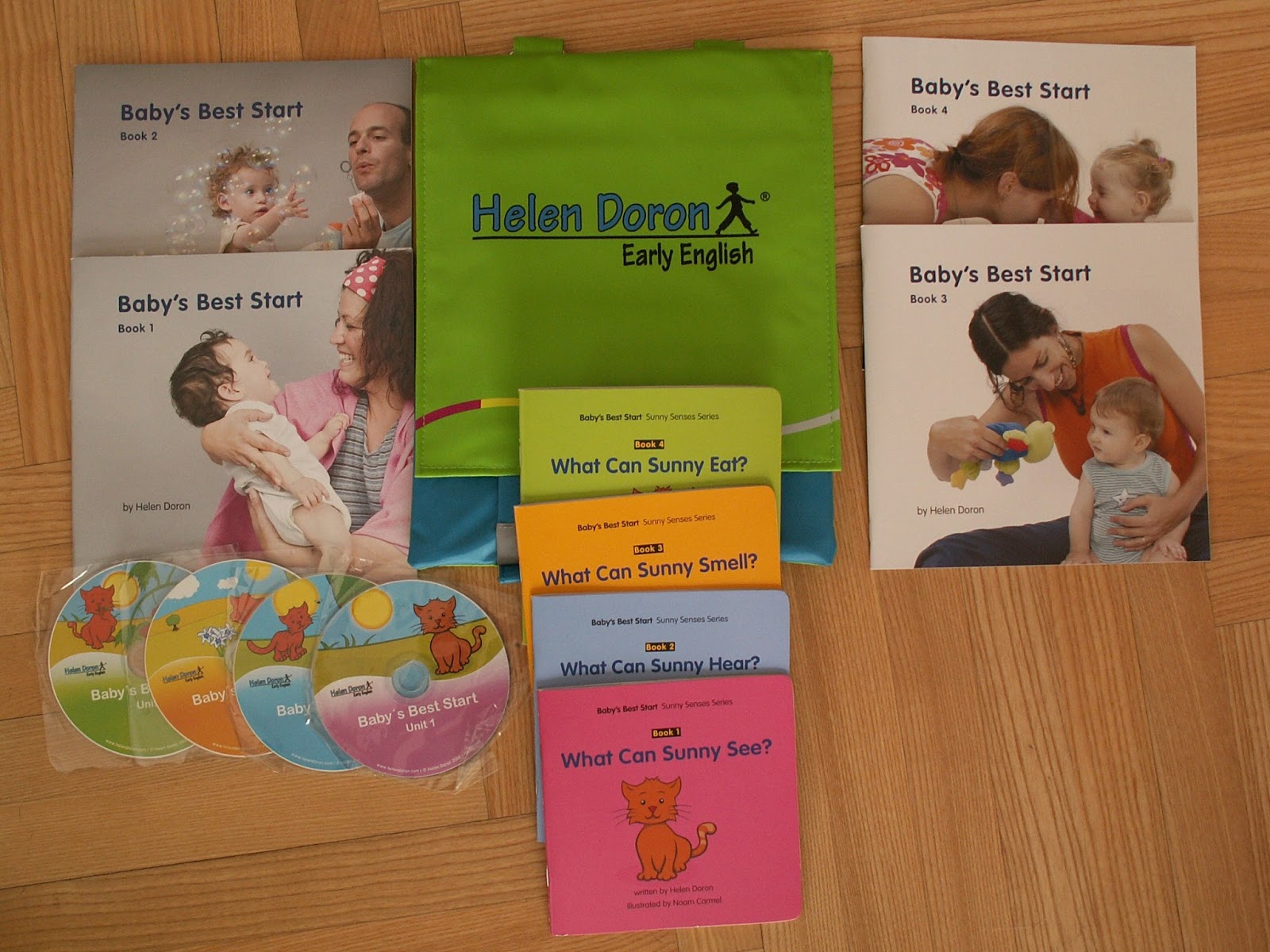
Today we have received our package. We were told to wait at least 6-8 weeks for the course material, but it has taken only 2 weeks.

I have just gone through it and I’m quite happy with it. Or I can say more than happy. I found the material nicely designed on quality paper. We got a big Helen Doron (HD) bag, which has 3 pockets:


Baby’s Best Start package
  • one for the CDs (4),
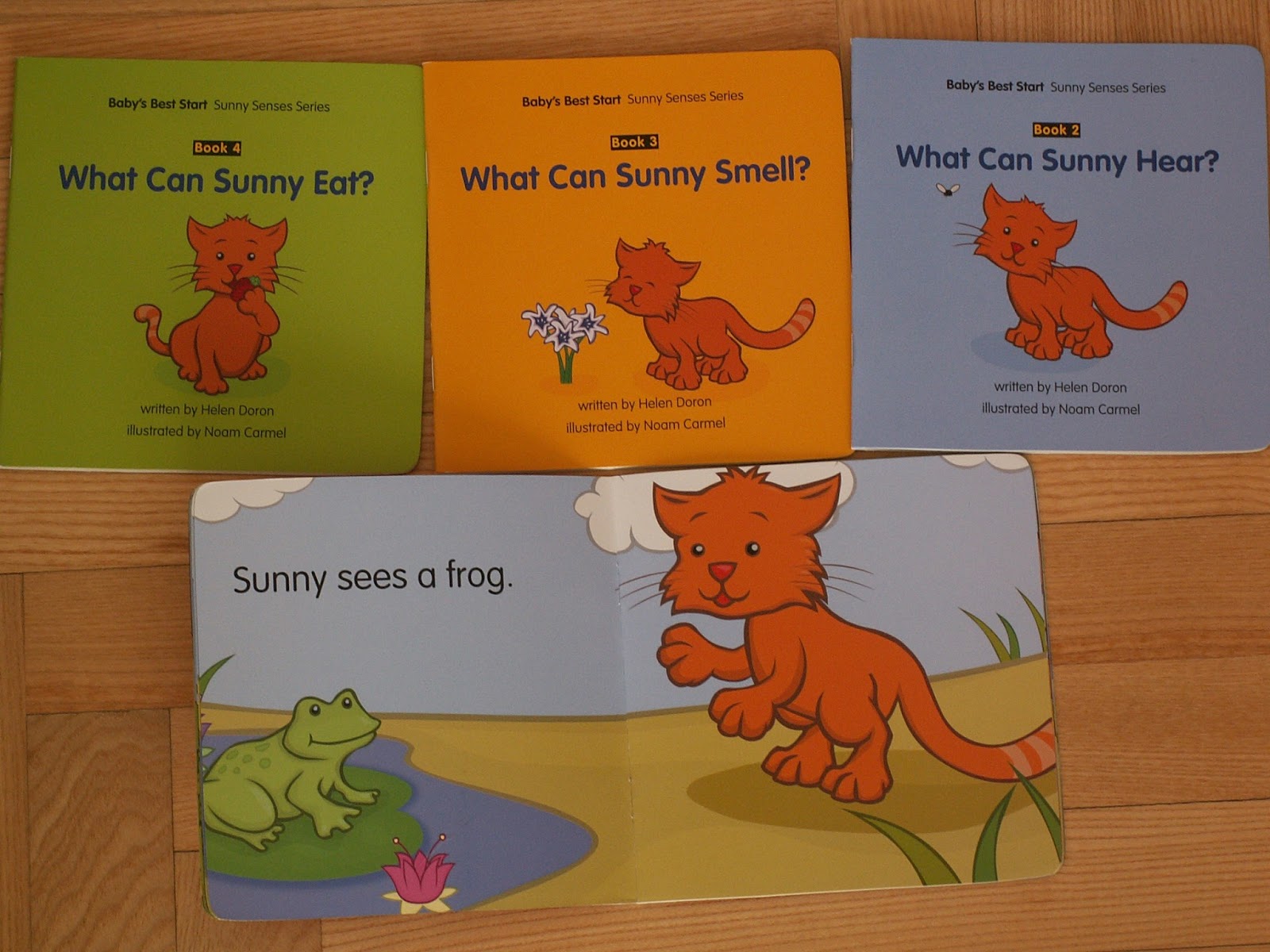
  • one for the Sunny the Cat booklets (4)
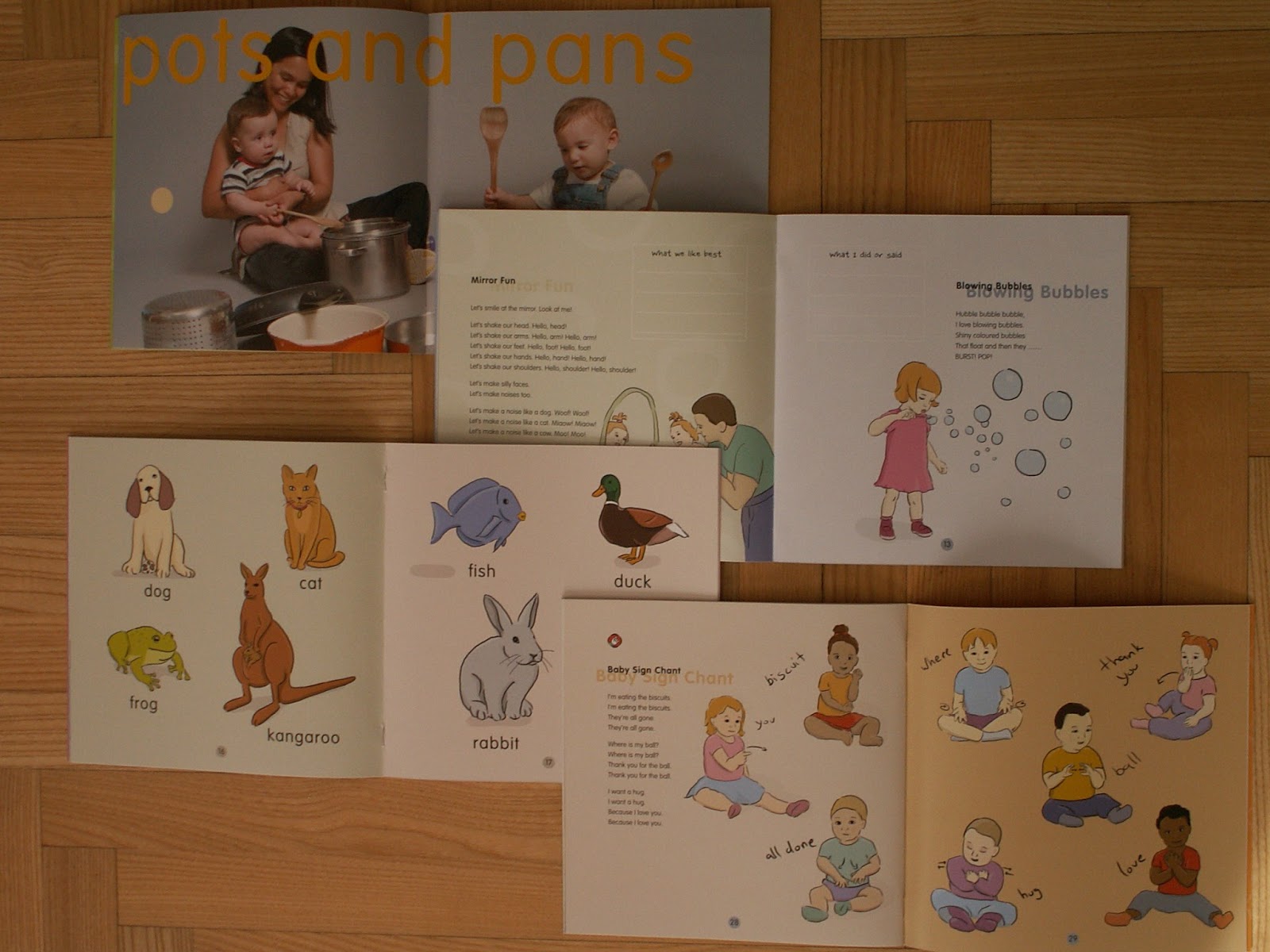
  • 4 bigger booklets with the lyrics of the songs, baby sign language, pictures of body parts, animals, flowers, birds etc.


Sunny the Cat series


I’ve read through the whole material and not only does it focus on the language (songs, rhymes, vocabulary, grammar patterns – of course not directly) but also on other fields of developing a baby (movement, senses – feeling, smelling, hearing, sight -, imagination). The baby sign language is more or less the same as the MAKATON signs, luckily. I was a little worried about confusing E. with other signs.

Few things I would change:

  1. the CDs should be in a proper case or two
  2. the paper of the Sunny booklets are quite strong, though they could be board books (I’m sure I won’t give them into E.’s hands, she’d fold or tear the pages – I’m not planning to buy the whole material again for our next child)
  3. if we are given a bag it should be little more useful (bigger pockets, suitable for being carried by the mom, not only the child, which is actually impossible at this age anyway)